After the arrest: how juvenile cases actually move through New Mexico courts
After a juvenile arrest in New Mexico, a case can take several paths. Here’s what happens next, from detention decisions to court timelines and possible outcomes.
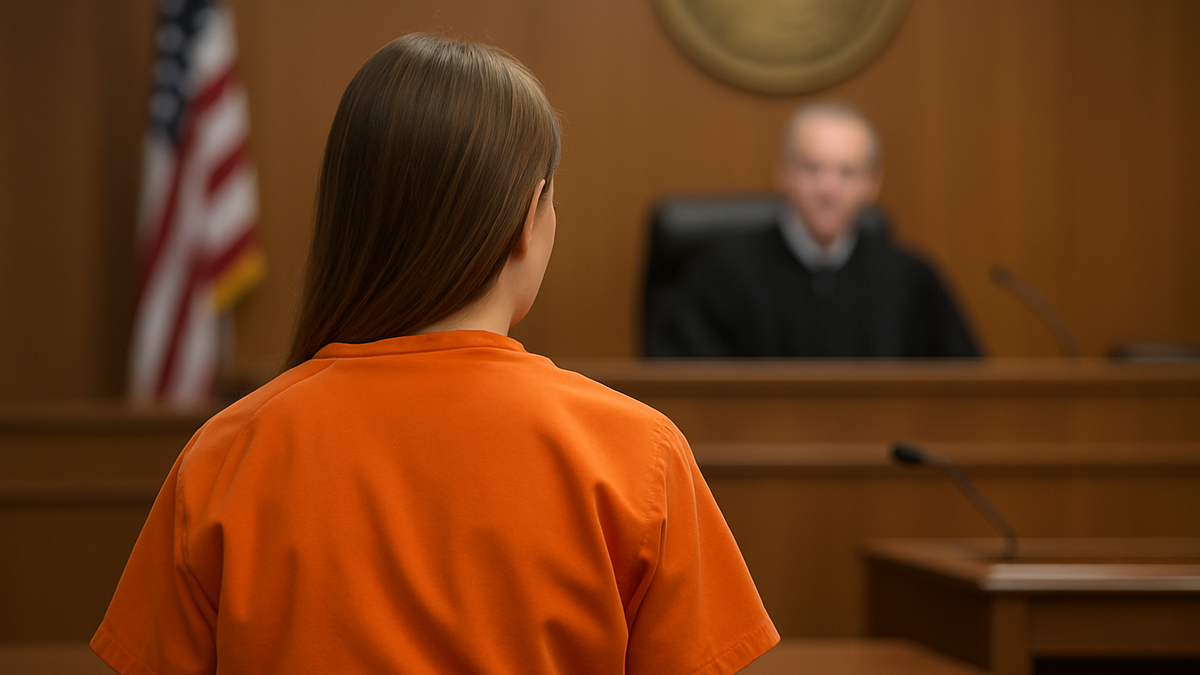
Arrest does not automatically mean detention or adult charges. Here’s how New Mexico’s juvenile justice system decides what happens next.
LAS CRUCES - When a juvenile is arrested in New Mexico, what happens next is often misunderstood — including by adults who assume the process mirrors the adult criminal system.
It does not.
Juvenile cases follow a separate legal framework designed around rehabilitation, public safety and age-based limits on punishment. Whether a child is detained, released to family or pushed toward adult court depends on a series of decisions made within hours or days of an arrest.
This is how that process typically unfolds.
Arrest does not automatically mean detention
After an arrest, law enforcement must decide whether to seek detention or release the child to a parent or guardian.
That decision is guided by a risk assessment instrument, a point-based tool used statewide. The assessment weighs factors such as:
- The seriousness of the alleged offense
- Whether violence or a firearm was involved
- Prior juvenile referrals
- Protective factors, including family support and school involvement
If detention is recommended, the juvenile is taken to a youth detention center. If not, the case may still move forward without the child being held.
Children under 12 cannot be held in juvenile detention under New Mexico law, even if they are charged.
Probation reviews most cases first
For many lower-level offenses, police reports are sent to juvenile probation, which operates under the Children, Youth and Families Department.
Probation officers conduct what is known as a preliminary inquiry, meeting with the child and family to assess background factors, stability and services that may help prevent further involvement with the justice system.
More than half of juvenile referrals statewide are handled informally, meaning they never reach a courtroom. Informal handling can include counseling, classes, community service or diversion programs.
Felony-level cases must be sent to the district attorney.
Formal cases move quickly
If prosecutors file a formal petition in children’s court, timelines accelerate.
- Detained juveniles must generally be tried within 30 days
- Non-detained juveniles typically have a 120-day window
These shorter timelines are intentional. State law prioritizes swift resolution in juvenile cases, based on the idea that accountability and services are more effective when delivered quickly.
Detention hearings come early
If a juvenile is detained, a judge must review the case within a short time — often within 24 to 48 hours.
At this hearing:
- A public defender is appointed automatically unless private counsel is retained
- Probation makes a recommendation
- Prosecutors argue for continued detention or release
- The judge decides whether the child remains in custody while the case proceeds
Detention is not a sentence. It is a temporary measure based on risk, not guilt.
Most cases stay in children’s court
The majority of juvenile cases remain in children’s court from start to finish. Even serious felonies may stay there unless prosecutors take additional steps to seek adult sanctions.
Only specific categories of cases — such as Serious Youthful Offender (SYO) cases involving first-degree murder — automatically transfer to adult court.
Others may move to adult sentencing only after conviction and a separate judicial review.
What comes next depends on the case
Outcomes vary widely. Juvenile cases can end with:
- Dismissal
- Informal supervision
- Probation
- Placement in treatment or residential programs
- Commitment to a juvenile facility
- In rare cases, adult sentencing after additional hearings
Each step reflects a legal balance between accountability, rehabilitation and public safety — one that differs sharply from the adult criminal system.
Why this matters
High-profile cases often dominate public attention, but they represent a small fraction of juvenile court activity. Most cases involve nonviolent offenses and never result in incarceration.
Understanding what happens after arrest helps clarify what the juvenile system is — and what it is not.
Damien Willis is founder and editor of Organ Mountain News. If you have a personal story to share or a lead we should follow up on, reach out at OrganMountainNews@gmail.com or connect with him on X at @damienwillis.
Juvie Law 101: What SYO, YO and JR mean in New Mexico juvenile cases — A breakdown of the legal categories that determine how juvenile cases are handled in New Mexico courts.
An open graveyard: Skeletal remains lie unrecovered in New Mexico’s borderlands — An investigation into why human remains found across the border region often go unrecovered or unidentified.
Things to do in Las Cruces this weekend — Concerts, exhibits, wellness programs and seasonal events happening across the Mesilla Valley.