
EBID told to expect ‘critically low’ water supply in 2027
EBID is beginning contingency planning for 2027 after its water consultant warned the Lower Rio Grande should expect another critically low water supply.
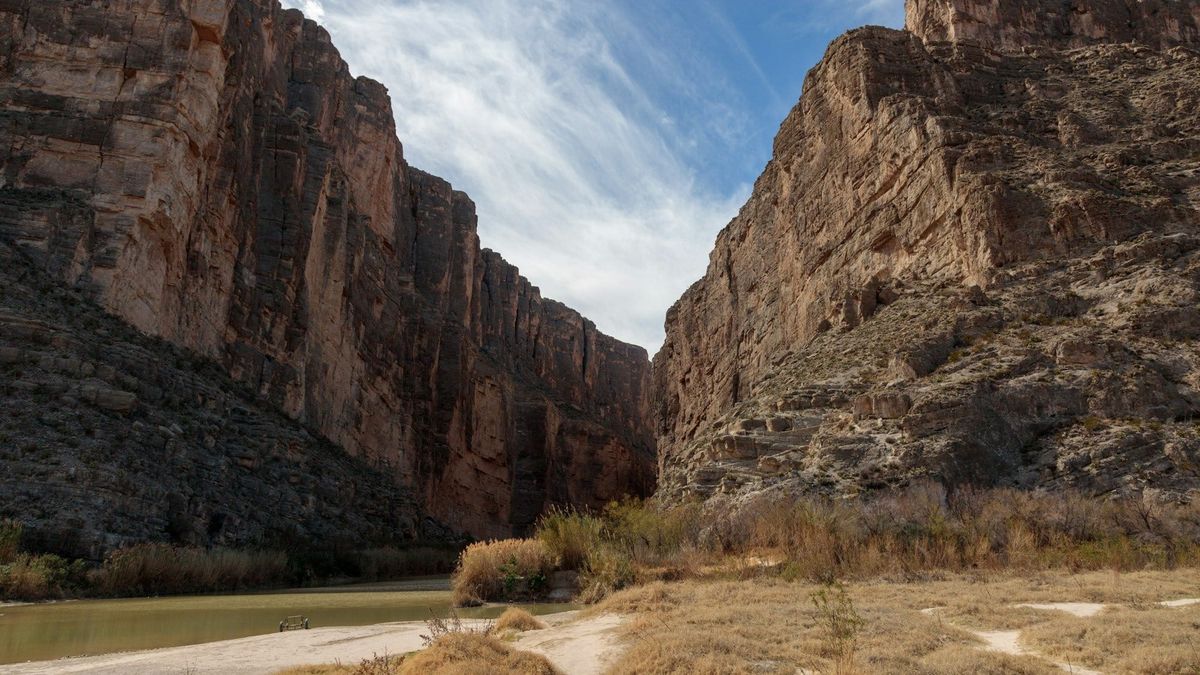
With reservoir storage near levels last seen decades ago, the district will study whether to release or hold water under several possible supply scenarios
Damien Willis, Organ Mountain News
LAS CRUCES - Elephant Butte Irrigation District is beginning to plan for another potentially severe water shortage next year after its water consultant warned the district to expect a “critically low supply” in 2027.
Dr. Phil King told the EBID Board of Directors on Aug. 12 that reservoir storage has fallen to levels not seen in decades and that even a strong winter snowpack may not produce normal spring runoff because the Rio Grande and the surrounding watershed are already so dry.
“Expect a critically low supply for 2027,” King told the board. “And it’s time to start figuring out how we want to handle it with the various possible alternatives.”
The warning came after a difficult 2026 irrigation season in which about 216,000 acre-feet were released from Caballo Reservoir — the third-lowest release on record, according to King.
Elephant Butte Reservoir storage bottomed out at roughly 26,700 acre-feet, while combined storage in Elephant Butte and Caballo was the sixth-lowest on record. King said most of the years with lower storage occurred during the drought years of the 1950s.
Total seasonal water supply for the Rio Grande Project was about 236,000 acre-feet.
The district’s irrigation season ended in early July.
King said conditions upstream are also exceptionally dry. At the time of the meeting, the Rio Grande was essentially dry at several gauges through New Mexico, with the Lobatos gauge near the Colorado state line recording about 2 cubic feet per second.
“This is the worst up and down the river that I’ve ever noted,” King said.
The outlook is not entirely without hope.
Forecasts presented to the board showed better-than-average chances for precipitation through parts of the fall and winter, while El Niño conditions were expected to persist through the heart of the snow season.
Support local journalism
Organ Mountain News provides independent reporting for southern New Mexico without a paywall. If you value this work, please consider supporting the newsroom with a one-time or monthly contribution.
Support Organ Mountain NewsBut King cautioned against assuming that a wetter winter would translate directly into abundant river water.
Because soils, tributaries and the river channel itself are so dry, much of the moisture from a strong snow season could be absorbed before reaching Elephant Butte Reservoir.
King told the board that even snowfall reaching 150% of average could still result in below-average runoff.
With little stored water available to cushion another poor year, EBID will be much more dependent on new runoff in 2027.
That prompted the board to send the issue to its Water Resources Committee for contingency planning.
The committee was asked to examine several possible total project supply levels — slightly above 200,000 acre-feet, slightly below 200,000 and a historically low scenario of about 150,000 acre-feet.
The committee will consider what would be in EBID’s best interest under each scenario, including whether the district should release its allocation for irrigation or hold some water in storage.
Any decision would also affect neighboring El Paso County Water Improvement District No. 1 and the U.S. Bureau of Reclamation, which jointly operate within the Rio Grande Project.
The planning comes as both irrigation districts finish reconciling the 2026 season.
EBID’s Water Resources Committee reported that available water fell by roughly 8,500 acre-feet between the May allocation and mid-July, an unusually large in-season decline.
El Paso’s district was expected to finish the season slightly negative in its allocation account. Preliminary numbers discussed Aug. 12 put that deficit around 3,000 acre-feet.
EBID officials said small negative balances have occurred before and are reconciled when the next season’s allocations are calculated.
For EBID, the larger concern has already shifted to what happens next.
The district entered 2026 with only a four-inch irrigation allotment and shut down deliveries in early July.
Now, with reservoirs depleted and another irrigation season less than a year away, district officials are starting to decide how much risk they are willing to take with the water that remains.
Damien Willis is founder and editor of Organ Mountain News. If you have a personal story to share or a lead we should follow up on, reach out at OrganMountainNews@gmail.com or connect with him on X at @damienwillis.
Keep Reading
Teen pleads guilty to all felony counts in Strykers Shooting World burglary — Javon Fielder pleaded guilty to eight felony counts just an hour before jury selection was scheduled to begin.
Details emerge in El Paso arrest of Las Cruces crime spree suspect — An arrest affidavit details what happened inside an El Paso home before Jesus Angel Cortez was taken into custody.
Opinion: $37 million question: More public land or better conservation — Rebecca Dow argues New Mexico should focus conservation dollars on land it already owns.


