Juvie Justice, Part 5: What proposed juvenile crime laws would actually change in New Mexico
As New Mexico lawmakers debate tougher juvenile crime laws, Part 5 of OMN’s Juvie Justice series examines what proposed changes would actually alter — and what would remain constrained by courts, resources and federal law.
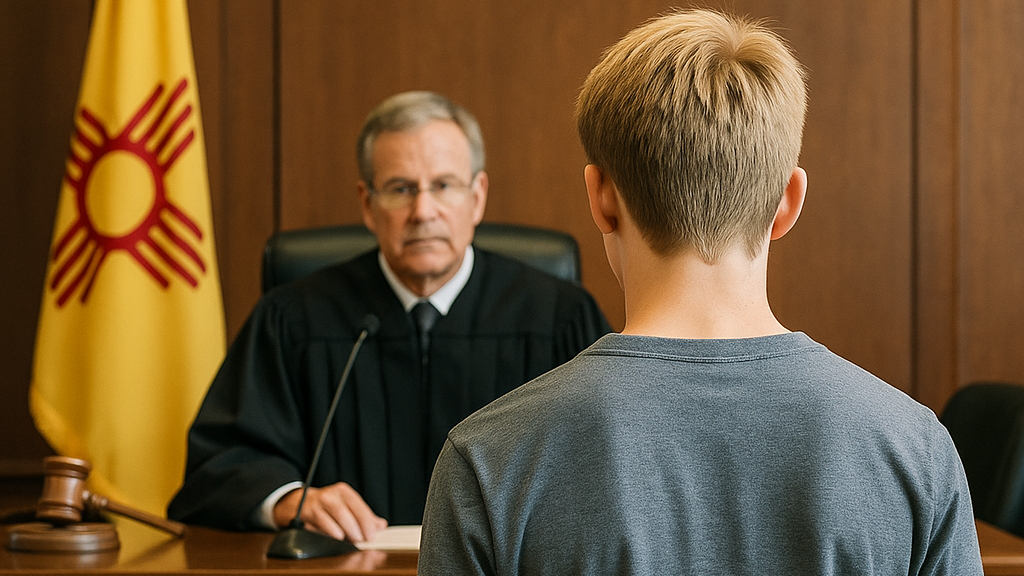
As lawmakers call for tougher responses to youth crime, the reality inside New Mexico’s juvenile system is more limited — and more complicated — than campaign rhetoric suggests.
Damien Willis, Organ Mountain News
LAS CRUCES - Calls to “get tough” on juvenile crime surface in New Mexico almost every legislative session, often after high-profile violent cases involving young defendants. Proposals range from lowering the age at which juveniles can be charged as adults to expanding detention options or increasing mandatory sentences.
But interviews with public defenders, court officials and juvenile justice experts point to a consistent reality: most proposed changes would not dramatically reshape how juvenile cases are handled on the ground, particularly in southern New Mexico.
The gap between political rhetoric and operational reality is wide.
What lawmakers often propose
Bills introduced in recent years — and expected again in the 2026 session — typically fall into a few categories:
- Lowering the minimum age at which a child can be detained
- Expanding eligibility for Youthful Offender or Serious Youthful Offender status
- Increasing penalties for repeat juvenile offenses
- Mandating detention for certain violent crimes
- Limiting judicial discretion in sentencing and placement decisions
Supporters argue these measures would enhance accountability and deter violence. Critics say they misunderstand how the juvenile system already functions.
What would actually change — and what would not
Lowering age thresholds or expanding eligibility for adult-style charges would affect a relatively small number of cases. The majority of juvenile arrests in New Mexico involve nonviolent offenses, probation violations or referrals handled informally through Children’s Court.
Even when statutes allow harsher outcomes, judges retain significant discretion. Competency evaluations, mental health findings and constitutional protections often limit how far a case can proceed.
In addition, detention capacity is a hard ceiling. New Mexico operates a limited number of juvenile facilities, and staffing shortages frequently restrict available beds. Courts cannot order incarceration that does not physically exist.
“In many cases, the law already allows a judge to impose severe consequences,” one public defender said. “The barrier isn’t authority. It’s resources.”
Federal law still sets the floor
State lawmakers cannot override federal requirements governing juvenile detention, education access, medical care and separation from adult inmates. Any expansion of incarceration must comply with those standards — a costly and complex undertaking.
That reality constrains how far New Mexico can go, even if political will exists.
What data suggests instead
Statewide data presented by the Law Offices of the Public Defender shows juvenile case filings have fluctuated over the past decade, with recent increases concentrated in specific offense categories and jurisdictions.
Experts caution against broad policy changes driven by isolated incidents rather than sustained trends.
Juvenile justice advocates interviewed said legislation is often reactive, while the system responds best to stability, early intervention and consistency rather than sudden swings.
Where change is more likely to matter
Most professionals interviewed pointed to areas outside criminal statutes where reform could have greater impact, particularly changes that affect children long before a case reaches a courtroom.
- Expanded behavioral health services
- Earlier intervention in schools and communities
- More probation officers and juvenile caseworkers
- Improved data transparency across judicial districts
- Specialized courts for high-need youth
Those changes receive less political attention but are more likely to influence outcomes before a young person ever stands before a judge.
The bottom line
New Mexico’s juvenile justice system already operates within a tight legal and logistical framework. While lawmakers can adjust statutes, they cannot legislate away staffing shortages, facility limits or the constitutional rights of children.
As the debate continues, the difference between symbolic action and structural change remains central — and unresolved.
Damien Willis is founder and editor of Organ Mountain News. If you have a personal story to share or a lead we should follow up on, reach out at OrganMountainNews@gmail.com or connect with him on X at @damienwillis.
Juvie Law 101 — What SYO, YO and JR mean in New Mexico juvenile cases — A plain-English guide to the labels, pathways and legal stakes inside New Mexico’s juvenile justice system.
New Mexico to offer up to $3,000 paid high school internships next summer — A look at a statewide effort aimed at early intervention, workforce exposure and keeping teens engaged outside the justice system.
New Mexico health officials aim to kick off medical psilocybin program a year early — How behavioral health reform could reshape treatment options for youth long before courts ever get involved.