Las Cruces proposes clawbacks for companies that fall short on economic promises
Las Cruces City Council will consider a proposed industrial revenue bond policy that includes tax abatements, performance requirements and clawbacks for projects that miss economic targets.
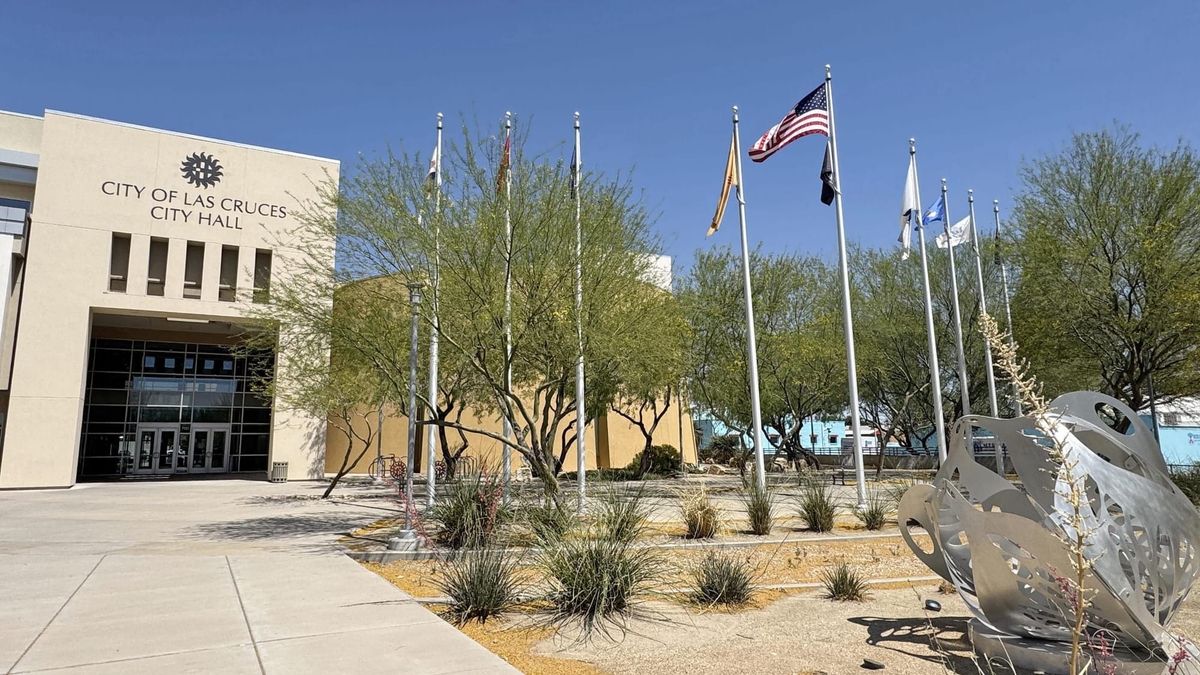
City Council will consider a new industrial revenue bond policy Monday that could require businesses to repay tax benefits if projects miss promised jobs, investment or other performance targets
Damien Willis, Organ Mountain News
LAS CRUCES - Companies receiving tax breaks through Las Cruces industrial revenue bonds could be required to repay some or all of those benefits if they fall short of promised jobs, investment or other economic targets under a policy City Council will consider Monday.
Resolution 27-034 would establish a formal city policy for evaluating industrial revenue bond projects, including standards for determining which projects qualify for city-backed financing and how their promised economic benefits would be measured.
The proposed policy would allow approved projects to receive a 100% abatement of property taxes that would otherwise be due on eligible project property, subject to payments in lieu of taxes intended to offset recurring costs to other taxing districts.
But those benefits would come with performance requirements.
Agreements with participating companies would have to establish specific benchmarks that could include job creation and retention, gross receipts tax revenue, capital investment and the creation of affordable housing units. If a project fails to meet those targets within five years, the company could be required to repay a portion of its abated taxes.
Under the proposed repayment schedule, projects reaching at least 90% of projected performance would owe nothing back. Those reaching 80% to 90% would repay 10%, while projects reaching 70% to 80% would repay 20%.
Projects reaching 60% to 70% would repay 35%, those reaching 50% to 60% would repay half and projects achieving less than half of their projected performance would repay 100%.
More scrutiny before incentives are approved
The proposed policy would also require companies seeking industrial revenue bonds to provide the city with considerably more detail about what they intend to deliver.
Project plans would have to identify the number and types of jobs expected to be created, the estimated percentage expected to be filled by existing Las Cruces and Doña Ana County residents, the total project cost, private investment, proposed bond amount and construction schedule.
Applicants would also have to describe how their projects could affect existing businesses and whether they plan to purchase goods and services locally.
City staff could develop a weighted scoring system and minimum score for recommending projects to City Council.
The policy says the city would look favorably on projects expected to substantially increase employment, diversify the local economy, purchase goods or services locally, expand local job skills or increase access to affordable housing or healthcare.
It specifically identifies renewable energy, affordable and senior housing and medical and healthcare projects among areas of city interest.
Support local journalism
Organ Mountain News provides independent reporting for southern New Mexico without a paywall. If you value this work, please consider supporting the newsroom with a one-time or monthly contribution.
Support Organ Mountain NewsTax breaks could last up to 30 years
Industrial revenue bonds allow municipalities to assist qualifying private projects without pledging the city’s general credit or taxing power. The bonds are instead secured by revenues associated with the project.
Under the proposed Las Cruces policy, property tax abatements could last no longer than 30 years.
A company that permanently shuts down a project within five years of the bonds being issued would have to reimburse 100% of its abated property taxes.
Applicants would also pay an application fee equal to 0.1% of the proposed bond amount, although City Council could waive some or all of that fee.
Companies would be responsible for attorney costs and annual administrative fees ranging from $2,000 to $10,000 depending on the size of the bond issue.
City documents state the policy is intended to create a more objective and consistent review process and ensure projects that receive tax benefits provide meaningful economic benefits to Las Cruces residents.
City Council is scheduled to consider the resolution during its 1 p.m. meeting Monday at City Hall.
Damien Willis is founder and editor of Organ Mountain News. If you have a personal story to share or a lead we should follow up on, reach out at OrganMountainNews@gmail.com or connect with him on X at @damienwillis.
Keep Reading
LCPS says state estimate leaves Conlee school project $2.6M short — LCPS is set to vote Tuesday on a state design award for Conlee Elementary while saying the state’s project estimate falls about $2.6 million short.Opinion: Doña Ana needs a public benefit ledger for Project Jupiter — Gleb Tsipursky argues that jobs, local spending, training and environmental commitments should be tracked against what Project Jupiter actually delivers.
LCPS disables retention of student voice recordings after parent data concerns — The district says it has disabled retention of Amira reading-assessment recordings and will offer a paper option to parents who request one.