
New Mexico voters approve Amendment 4, clearing way for legislative salaries
New Mexico voters approved Constitutional Amendment 4, establishing legislative salaries tied to median household income beginning in 2029.
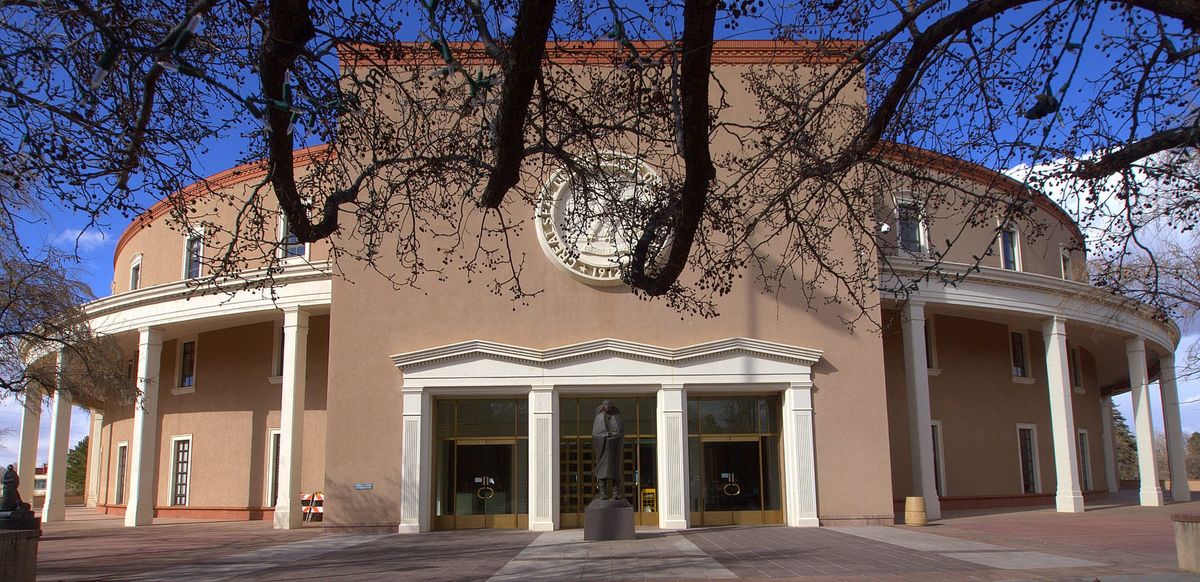
The measure drew nearly 62% support in unofficial returns Tuesday night and will establish pay tied to the state's median household income beginning in 2029.
Damien Willis, Organ Mountain News
LAS CRUCES - New Mexico voters approved a constitutional amendment Tuesday that will establish salaries for state legislators beginning in 2029, ending the state's longstanding practice of compensating lawmakers through expense allowances and mileage reimbursements rather than a base salary.
The Albuquerque Journal called Constitutional Amendment 4 approved at 9:25 p.m. Tuesday. In unofficial returns from the New Mexico secretary of state's office at approximately 10 p.m., the measure had received 237,963 yes votes, or 61.9%, compared with 146,192 no votes, or 38.1%.
The 91,771-vote margin came with 384,155 votes reported on the question statewide. The results remained unofficial and subject to certification.
Under the amendment, legislators will receive compensation equal to New Mexico's annual median household income, with pay adjusted upward or downward as that figure changes. The new provisions will first apply to members seated for the 59th Legislature in 2029.
New Mexico lawmakers currently receive per diem allowances and mileage reimbursements but no legislative salary. Those existing reimbursement provisions will remain in place.
Las Cruces Rep. Angelica Rubio was among the sponsors of House Joint Resolution 5, which placed the constitutional amendment before voters.
The Legislative Finance Committee estimated an annual state general fund cost of approximately $7.6 million, based on 112 legislators and a median household income of about $67,800. The actual cost will depend on the applicable income figure when salaries begin in 2029.

Supporters celebrate a change decades in the making
Vote for Change, the statewide coalition that advocated for the amendment, celebrated the outcome Tuesday night as a step toward making legislative service accessible to more New Mexicans.
“New Mexicans today have rejected the status quo, and opened the door to a government that reflects their lived experience and the challenges they face every day,” said Eli Cuna, the coalition's campaign manager. “This vote is a historic step toward a more representative and accountable Legislature.”
Cuna said tying legislative compensation to the state's median household income would strengthen the connection between lawmakers and the families affected by their decisions.
Marcela Diaz, executive director of Somos Un Pueblo Unido, described the result as the product of sustained community organizing.
“Public service shouldn't be something only people with financial resources can afford to do,” Diaz said.
She said the unpaid system had made it more difficult for working people, parents and caregivers to represent their communities in Santa Fe.
The coalition included labor organizations, educators, firefighters and community advocacy groups. Its campaign reported nearly 200 volunteers who helped educate voters about the proposal.
Opponents, including the Rio Grande Foundation, argued that legislative salaries would add to existing benefits without demonstrating that the additional spending would improve government.
The amendment changes Article 4, Section 10 of the New Mexico Constitution. Its implementation is delayed until 2029, giving lawmakers time to establish the compensation process required by the new constitutional provision.
The measure was decided by voters statewide, with Doña Ana County's results contributing to the final statewide tally.
Damien Willis is founder and editor of Organ Mountain News. If you have a personal story to share or a lead we should follow up on, reach out at OrganMountainNews@gmail.com or connect with him on X at @damienwillis.


