
Health officials urge caution after bat tests positive for rabies

New Mexico health officials are urging caution around bats after a Sandoval County bat tested positive for rabies, the state’s ninth animal case of 2026.
Health officials urge caution after bat tests positive for rabies
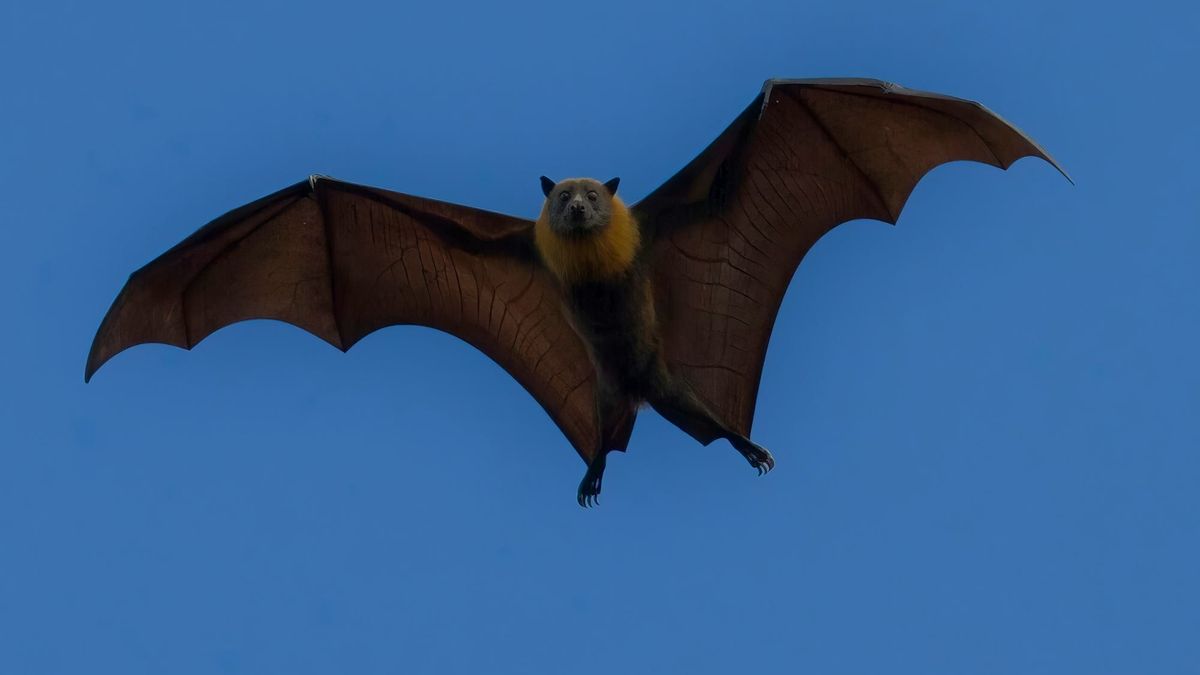
A bat flies against a blue sky. New Mexico health officials are urging caution after a Sandoval County bat tested positive for rabies. (John Torcasio / Unsplash)

The Sandoval County bat is New Mexico’s ninth confirmed animal rabies case of 2026, according to the state Department of Health.

Organ Mountain News report

SANTA FE - New Mexico health officials are urging caution around bats after a Sandoval County bat tested positive for rabies.

The New Mexico Department of Health said the bat was found in a private home, euthanized and sent to the department’s Scientific Laboratory Division for testing. It is the ninth confirmed animal rabies case in New Mexico in 2026.

All people and animals exposed are receiving post-exposure vaccines to prevent disease, according to NMDOH.

State health officials said residents should not pick up bats, touch them with bare hands or allow pets to interact with them. People who have direct contact with a bat, wake up to find a bat in their room or cannot reliably say whether contact occurred should receive rabies vaccination.

“Rabies is nearly 100% fatal, but 100% preventable,” said Dr. Erin Phipps, state public health veterinarian for NMDOH. “State law requires all dogs and cats be vaccinated against rabies. Unvaccinated pets exposed to rabies must be euthanized or isolated for four months to prevent human exposure.”

In New Mexico, rabies is most often found in wildlife such as foxes, skunks, bobcats and bats. The state confirmed 13 rabid animals in 2025 and 12 in 2024.

Bats are the animals most commonly found with rabies in New Mexico, though all mammals can be infected. Rabid wild animals may show no fear of people and may appear aggressive, quiet or unusually tame.

Residents who see a sick wild animal or a wild animal acting abnormally should report it to local animal control or the New Mexico Department of Wildlife at 888-248-6866.

Rabies prevention tips

Vaccinate pets: Keep dogs and cats up to date on rabies vaccinations, and make sure they wear tags confirming their vaccination status.

Call a veterinarian: If your cat or dog has been bitten or scratched, especially by a wild animal, call your veterinarian even if the wound appears superficial.

Avoid wild animals: Do not feed, approach or touch wild or unfamiliar animals, whether they are alive or dead.

Watch children closely: Teach children not to approach wild or unfamiliar animals, and supervise them around animals they do not know.

Respond to bites quickly: If you are bitten or exposed to saliva, wash the affected area immediately and thoroughly with soap and water, then seek medical attention.

Take bats seriously: People who have direct contact with a bat, wake up to find a bat in their room or cannot reliably say whether contact occurred should receive rabies vaccination.

Report any exposure or bite to local animal control and call the NMDOH Helpline at 1-833-SWNURSE, or 1-833-796-8773. Questions can also be texted to 66364. More information about rabies is available on the department's website.

Cut through the noise

Sign up for our free email newsletter to receive the latest headlines from Organ Mountain News