NM health officials urge plague precautions after rodent tests positive
New Mexico health officials are urging plague precautions after a rodent in Santa Fe County tested positive for the bacterial disease.
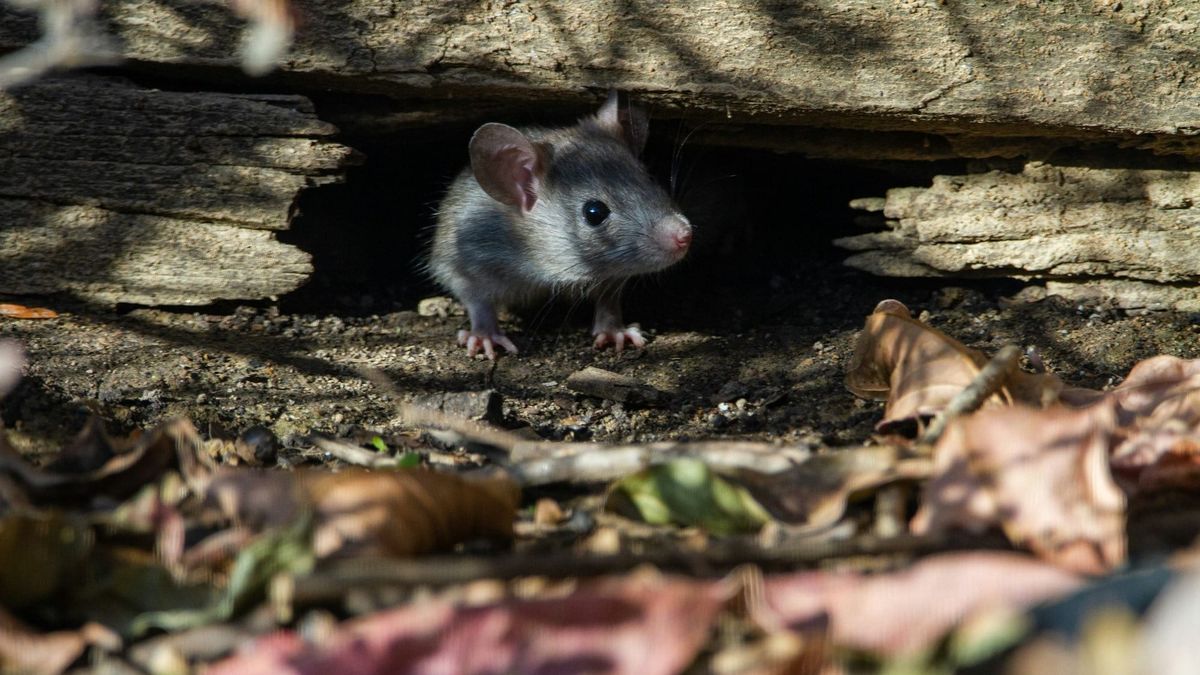
The Santa Fe County case is the state’s fifth animal plague case reported this year, according to the New Mexico Department of Health.
Organ Mountain News report
SANTA FE - New Mexico health officials are urging residents to take precautions after a rodent in Santa Fe County tested positive for plague.
The New Mexico Department of Health said the rodent was the first confirmed wild animal plague case in Santa Fe County this year. The rodent was turned in by a person who found it dead on their property.
Earlier this year, three dogs in Santa Fe County and one dog in Bernalillo County also tested positive for plague, bringing the statewide total to five animal plague cases in 2026, according to NMDOH.
Plague is a bacterial disease that circulates in wildlife and is commonly transmitted through flea bites. Humans can get plague from flea bites or direct contact with infected animals, including rodents, wildlife and pets.
“While this is an animal case of plague, it’s important to remember humans can get plague from flea bites or direct contact with infected animals, including rodents, wildlife and even pets,” said Chad Smelser, deputy state epidemiologist for NMDOH. “Pets can be infected with plague if they eat an infected animal or are bitten by infected fleas.”
Plague symptoms in cats and dogs include fever, lethargy, loss of appetite and swelling in the lymph node under the jaw. Symptoms in humans include sudden fever, chills, headache, weakness and, in most cases, a swollen and painful lymph node in the groin, armpit or neck area.
Prompt diagnosis and antibiotic treatment greatly reduce the risk of death in people and pets, according to NMDOH. Physicians or veterinarians who suspect plague should report it promptly to the NMDOH Helpline at 1-833-796-8773. Questions also can be texted to NMDOH at 66364.
How to reduce plague risk
The New Mexico Department of Health recommends residents take the following precautions:
- Use veterinarian-approved flea control products on pets.
- Clean up areas near homes where rodents could live, including woodpiles, brush piles, junk and abandoned vehicles.
- Keep hay, wood and compost piles as far from homes as possible.
- Do not leave pet food and water where rodents and wildlife can access them.
- Make sure sick pets are examined promptly by a veterinarian.
- Contact a medical provider about any unexplained illness involving a sudden and severe fever.
- Avoid sick or dead rodents and rabbits, along with their nests and burrows.
More information about plague, including fact sheets in English and Spanish, is available at nmhealth.org/about/erd/ideb/zdp/plg/.
Keep Reading
‘Punishing’ changes to New Mexico food regulations include fee hikes for restaurants — New Mexico restaurants and food service establishments will soon face higher permit, reinspection and application fees.
Project Jupiter developer approved for $3M in state job-training funds — STACK Infrastructure was approved for state job-training funds as Doña Ana County officials seek overdue job reports tied to the data center project.
Las Cruces sets two-day Fourth of July celebration schedule — The city’s holiday celebration includes the Electric Light Parade, Electric 5K, a free July 4 concert and fireworks at NMSU.