OPINION: New Mexico needs stronger legislative ethics laws to restore public trust
With Constitutional Amendment 4 on the November ballot, Fred Nathan Jr. outlines 10 proposals to strengthen legislative accountability in New Mexico.
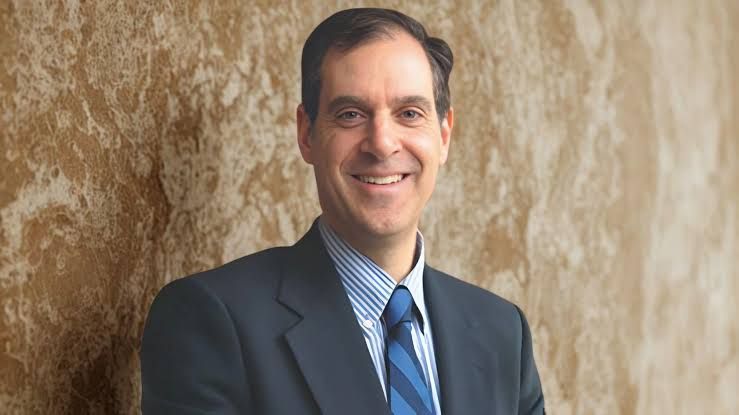
Think New Mexico's Fred Nathan Jr. argues that proposals to strengthen financial disclosures, restrict lobbying and expose dark money should accompany efforts to pay state lawmakers.
Fred Nathan Jr., Think New Mexico
Opinion
Editor’s note: The opinions and assertions expressed in this commentary are those of the author and do not necessarily reflect the views of Organ Mountain News.
A 2025 poll by Research & Polling Inc. for the Albuquerque-based Garrity Group found that only 19% of New Mexico residents trust state government officials, a record low and down from 31% just five years earlier. (National trust in government fell by 10% over the same period.)
The good news is that there are commonsense ethics reforms that can help restore New Mexicans' trust in their government.
Think New Mexico recently released a new policy report, titled “The Next Step for a Modernizing Legislature,” which proposes 10 reforms that would bring New Mexico's legislative ethics laws in line with the majority of other states and help restore public trust in state government. The report includes recommendations that pertain to lobbyists, legislators and dark money groups.
Reforming ethics laws is particularly timely now, with Constitutional Amendment 4 (CA4) on the November ballot to pay New Mexico legislators a salary. One justification for the state's relatively lax legislative ethics laws has been that New Mexico's Legislature is the last unsalaried legislature in the nation. In general, higher pay for legislators goes hand in hand with higher ethical expectations.
If CA4 passes, these ethics reforms are the logical next step in modernizing and professionalizing the state's legislative branch. If the amendment fails, then the Legislature might want to propose a constitutional amendment for a legislative salary that would be tied to comprehensive ethics reforms.
An August 2026 poll conducted by BSP Polling found that 64% of New Mexico voters support paying legislators a salary — but only if legislators also have to comply with mandatory ethics reforms. (Nineteen percent of voters supported paying legislators a salary regardless of ethics reforms, while 17% opposed the salary even if ethics reforms were also enacted.)
The poll also found that the specific reforms Think New Mexico is proposing are supported by an overwhelming majority of New Mexicans, ranging from 66% to 84%.
Under the reforms proposed in Think New Mexico's report, legislators would disclose when they have a direct financial conflict of interest on a bill and recuse themselves from voting or taking action on it, similar to the rules in 36 other states. Under current rules, New Mexico legislators must get permission from a majority of their colleagues to even be able to recuse themselves from a vote where they have a conflict.
Think New Mexico also recommends that legislators include more specific information about their sources of income on annual financial filings and that legislators wait two years after their legislative service before becoming paid lobbyists. Thirty-seven states require similar “cooling-off” periods.
Meanwhile, lobbyists would be required to disclose more detailed information about their spending on lawmakers, the compensation they receive for lobbying and the bills they are seeking to pass or kill. These disclosures would be made during and immediately following a legislative session, when they can make a difference in the lawmaking process.
Groups that spend money on political or issue advertisements would be required to disclose the true source of the funding paying for those ads, bringing dark money out of the shadows. Think New Mexico also recommends closing the loophole allowing some out-of-state groups to avoid our state's filing requirements and prohibiting groups from sending communications to lawmakers using constituent names and contact information without the clear consent of those constituents.
Think New Mexico is not the first group to recommend these legislative ethics reforms. As we highlight in the report, many have been introduced by legislators over the years, and several are also endorsed by the New Mexico Ethics Commission.
To read the full report and contact your legislators and the gubernatorial candidates to ask them to support these reforms, please visit Think New Mexico's website.
Fred Nathan Jr. is executive director of Think New Mexico, a nonpartisan, results-oriented think tank serving New Mexicans.
Community Voices
Want to share your perspective? Organ Mountain News welcomes community voices on the issues that matter in Las Cruces and Doña Ana County. Send commentary submissions to OrganMountainNews@gmail.com.