Attorney general backs Project Jupiter court challenges, alleges state agencies bypassed required process
Attorney General Raúl Torrez is backing two Supreme Court challenges to Project Jupiter permits, alleging due-process failures in air permitting and unlawful emergency groundwater approval.
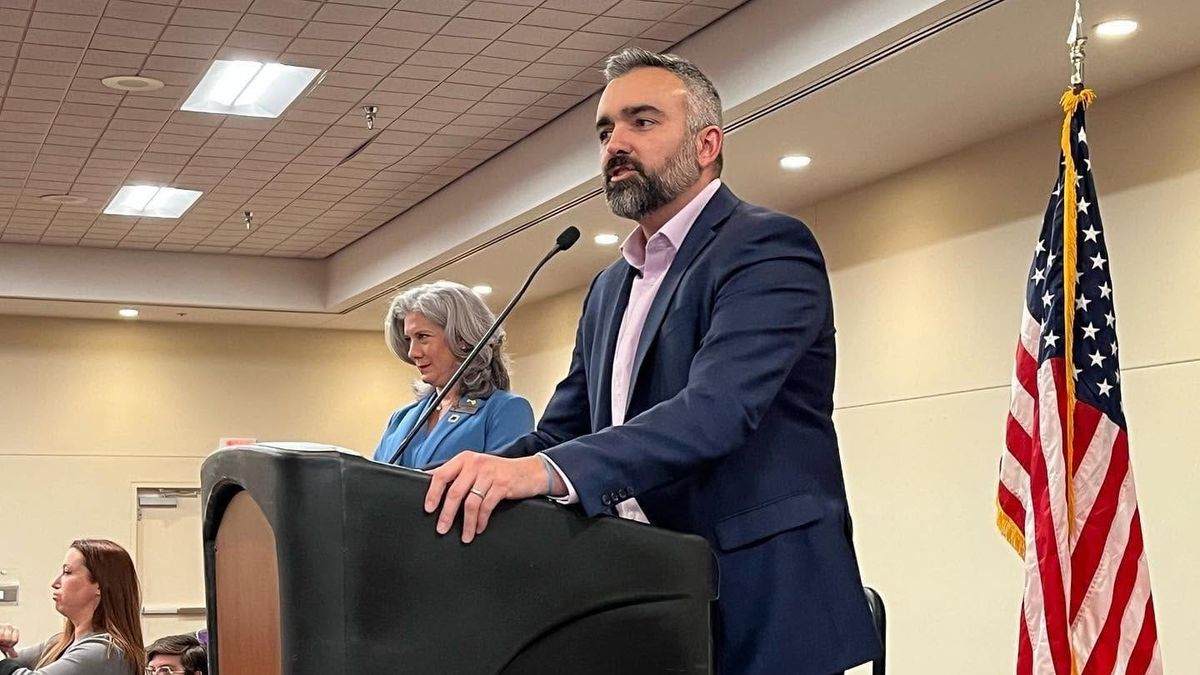
Raúl Torrez says an air-permit schedule changed days after Project Jupiter representatives met with the Governor’s Office and asks justices to halt construction-related groundwater pumping pending a hearing
Damien Willis, Organ Mountain News
SANTA FE - New Mexico Attorney General Raúl Torrez is backing two emergency Supreme Court challenges to Project Jupiter permitting decisions, arguing state officials bypassed legally required procedures involving both groundwater and air pollution — and, in one filing, questioning an abrupt change in the air-permit schedule days after project representatives met with the Governor’s Office.
The New Mexico Department of Justice filed responses supporting separate petitions brought by the Center for Biological Diversity and New Energy Economy involving the massive artificial intelligence data center project under construction in Doña Ana County.
“The same rules must apply to everyone,” Torrez said in a statement. “Whether you're a family defending a water right or a global corporation with money and political clout.”
Torrez said notice and a fair hearing are intended to protect the public and that bending those rules for a powerful applicant undermines public trust.
Air filing points to Governor’s Office meeting
In New Energy Economy v. Kenney, the Attorney General’s Office is supporting an emergency request to keep air-permit proceedings paused while the Supreme Court considers a petition for writ of mandamus.
Project Jupiter’s proposed power plant would use 2,275 Bloom Energy solid oxide fuel cells fueled by natural gas to generate 2.46 gigawatts of electricity.
The Attorney General’s filing says a New Mexico Environment Department hearing officer scheduled the permit hearing for Oct. 19 because of the case’s complexity and due-process concerns.
Yucca Growth Infrastructure and NMED later sought a faster schedule.
At a July 27 status conference, the hearing officer again rejected acceleration, according to the filing, finding that the developer’s financial concerns resulted from moving forward without an air permit and did not outweigh due-process considerations.
That same day, representatives of Oracle, Project Jupiter’s anchor tenant, met with the Governor’s Office.
Two days later, the hearing officer moved the hearing from Oct. 19 to Sept. 14.
The change also moved the deadline for technical evidence and expert testimony from Oct. 1 to Aug. 24.
Torrez’s office argues the sequence deprived opponents of adequate notice and a meaningful opportunity to prepare their case.
The filing further notes that the hearing officer later barred discovery on Aug. 12, while the administrative record was not scheduled to be produced until Aug. 24 — the same day technical evidence and expert testimony were due.
The Attorney General’s Office argues NMED was not legally required to maintain a Nov. 23 final-decision date because state law allows extensions for good cause, including public hearings and unusually complex technical issues.
The filing asks the Supreme Court to grant New Energy Economy’s petition and keep the proceedings stayed while the case is resolved.
Torrez asks court to halt Project Jupiter groundwater use
In Center for Biological Diversity v. Anderson, Torrez’s office is challenging the State Engineer’s approval of an emergency replacement well for Santa Teresa Capital LLC.
Santa Teresa Capital applied in October 2025 to replace a well historically used to irrigate a commercial sod farm and also use the replacement well to supply construction water for Project Jupiter.
The State Engineer approved the application two days later.
Torrez’s office argues the emergency-well statute allows expedited approval of a replacement well under narrow circumstances but does not allow an applicant to change the purpose or place of water use without notice and a hearing.
The filing acknowledges that declining production from the original well could potentially support an emergency replacement for continued irrigation of the sod farm.
But it draws a sharp distinction between protecting that existing use and supplying water to Project Jupiter.
“Delay in the construction of a private data center does not rise to the level of a genuine emergency,” the filing argues.
The Attorney General’s Office says a totalizing meter indicates more than 100 million gallons of groundwater have been pumped since meter data became available in April.
Torrez is asking the Supreme Court to order the State Engineer to immediately schedule a hearing and, until then, prevent Santa Teresa Capital from using groundwater to support Project Jupiter construction.
The filing also ties the dispute to New Mexico’s obligations in the Lower Rio Grande Basin, noting that the state is required under a Rio Grande Compact consent decree to reduce groundwater pumping there by 18,200 acre-feet by 2036.
Damien Willis is founder and editor of Organ Mountain News. If you have a personal story to share or a lead we should follow up on, reach out at OrganMountainNews@gmail.com or connect with him on X at @damienwillis.
Keep Reading
Man sentenced to life plus 26 years for New Mexico crime spree that ended in Las Cruces — Zachary Babitz was sentenced in federal court for a robbery and carjacking spree that ended in Las Cruces after a crash and arrest.
Sunland Park officials warn state-line road closures could complicate emergency response — City officials say road closures along the El Paso-Sunland Park boundary could create delays for emergency responders and residents.
Amira pushes back on New Mexico lawmakers as questions over reading software widen — The company disputes concerns raised by 35 lawmakers as scrutiny continues over student recordings, data practices and oversight.