What to know about New Mexico’s medical psilocybin program
New Mexico is developing a regulated medical psilocybin program for people with certain serious health conditions. Officials say they hope to open treatment sites a year before the legal deadline.
State officials aim to open the program a year early as rulemaking continues
Damien Willis, Organ Mountain News
SANTA FE - New Mexico is writing the rules for its medical psilocybin program, and health officials say they hope to open the first treatment settings by the end of 2026. The Medical Psilocybin Act took effect in June and requires the program to be fully operational no later than Dec. 31, 2027. The department’s goal would bring the program online a full year ahead of schedule.
The law allows supervised medical use of psilocybin for people with qualifying conditions. It does not legalize recreational use.
What the law does
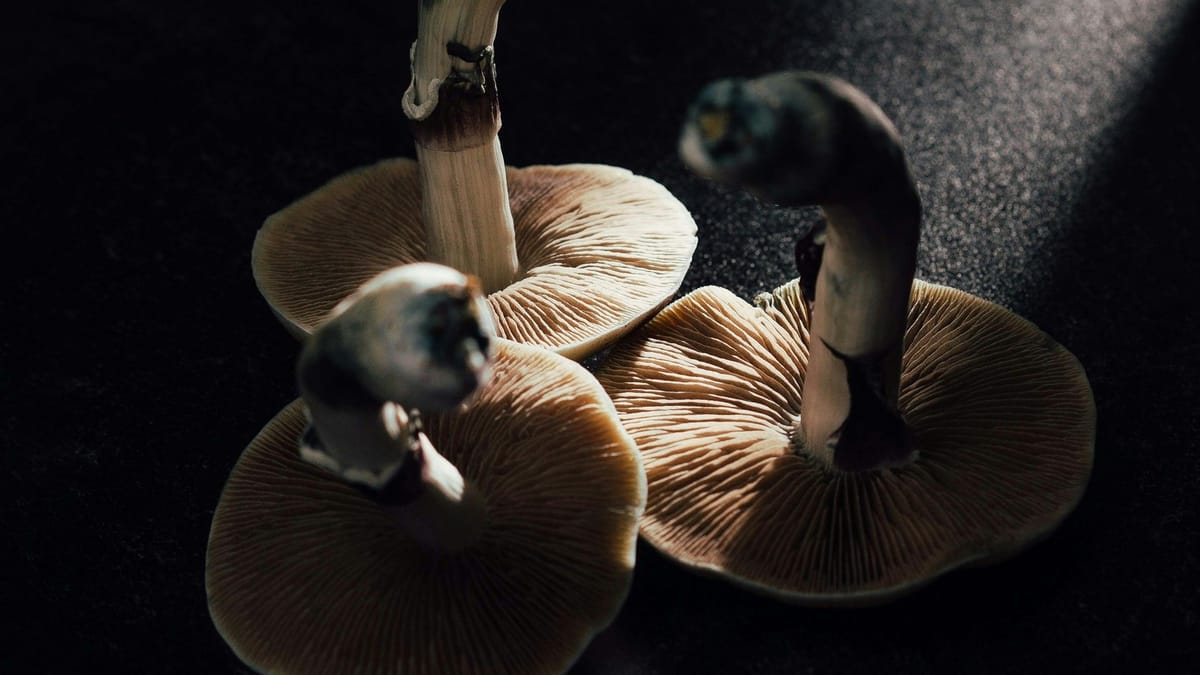
Senate Bill 219 directs the New Mexico Department of Health to create a regulated program for the medical use of psilocybin. The statute defines psilocybin as the naturally occurring psychedelic compound in certain mushrooms and includes its metabolite, psilocin. Synthetic forms are not part of the program.
Qualified patients, licensed clinicians and approved producers are protected from state criminal penalties when they follow the program’s rules. Possession or use outside the program remains illegal under state and federal law.
Program timeline
The department has said it expects full implementation by the end of 2027, but officials announced during the Medical Psilocybin Advisory Board’s first meeting on Dec. 5 that they are working to open initial treatment settings by late 2026. That target would start patient access about a year before the deadline set in state law.
As of mid-December, the department is drafting rules, establishing training standards and developing program requirements for treatment centers, clinicians and producers. No patient application process is available yet.
Who qualifies
A person becomes a qualified patient when a clinician determines that psilocybin treatment is medically appropriate and the person has a qualifying condition. The statute lists several categories:
- Treatment-resistant major depression
- Posttraumatic stress disorder
- Substance use disorders
- End-of-life care needs
- Other conditions the department may approve later
The advisory board can recommend additional conditions, and the department can review petitions asking for expansions.
How treatment would work
Psilocybin could only be used in approved medical settings with a clinician present. Treatment must include preparation, administration and integration sessions. Home use is not allowed.
The department will set the standards for treatment settings. Those details will be released through the public rulemaking process.
Producing and supplying psilocybin
Only licensed producers operating inside the state program will be allowed to grow or prepare psilocybin for medical use. Personal cultivation and unregulated sales are not allowed.
The law also creates two funds: one that can help low-income patients pay for treatment when money becomes available and one that supports research at state universities and health care providers.
Legal limits
The Act does not protect anyone from prosecution for driving under the influence of psilocybin or for falsely claiming to be in the program. Those actions remain illegal.
People on probation, parole or pretrial supervision cannot be penalized solely for participating in the program once it is operating.
Where New Mexicans can find updates
The Department of Health will publish rules, meeting notices and public comment opportunities on its Medical Psilocybin Program webpage as development continues. The department can be reached at medical.psilocybin@doh.nm.gov or by mail at PO Box 26110, Santa Fe, NM 87502-6110.
New Mexico health officials aim to kick off medical psilocybin program a year early — Why the state wants treatment sites open before the legal deadline
Police arrest two more teens in Las Cruces gun store burglary — What investigators say about the expanding case
State outdoor grants help Las Cruces domestic violence shelter offer nature-based programs for youth — How outdoor programs are becoming part of youth support services