CYFD ends overnight office stays for children in state custody
The Children, Youth and Families Department says it has ended the practice of housing children overnight in agency offices following a January executive order.
Governor says no child has stayed overnight in a CYFD office since Feb. 12
Organ Mountain News report
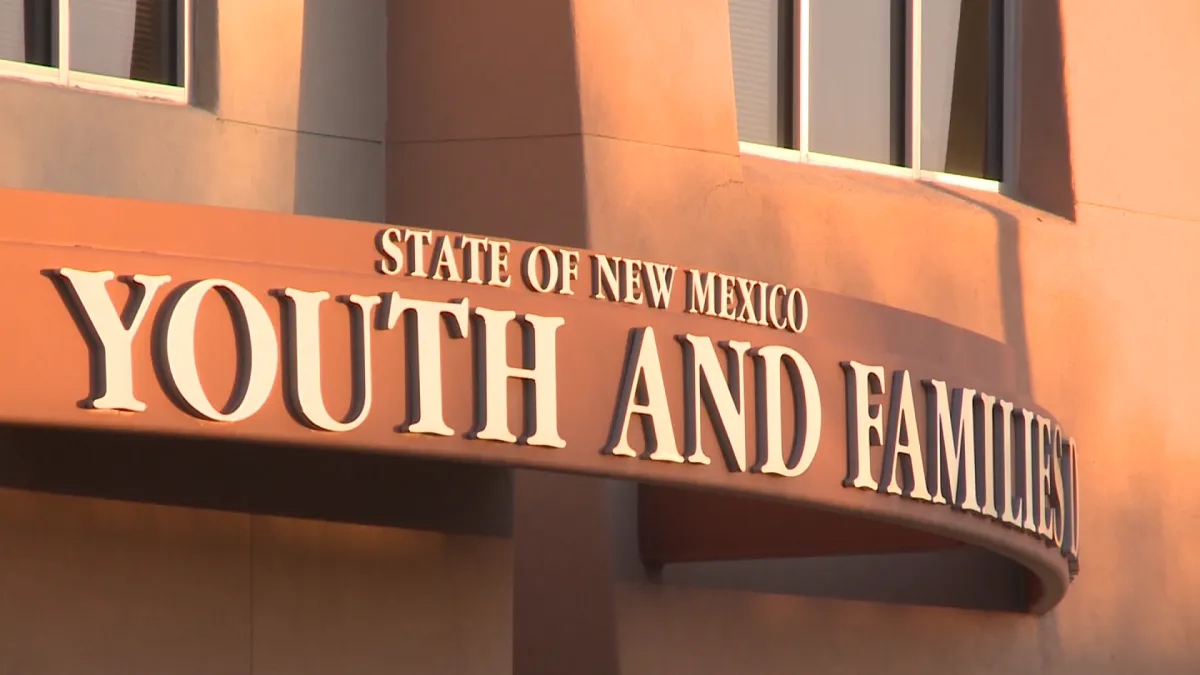
SANTA FE - The Children, Youth and Families Department has ended the practice of placing children overnight in CYFD offices, Gov. Michelle Lujan Grisham announced Friday.
The governor issued an executive order Jan. 19 directing that no child in CYFD custody stay overnight in a CYFD office effective March 1. According to the governor’s office, the last overnight office stay occurred Feb. 12.
CYFD previously used office stays when it could not immediately secure appropriate placements for children in state custody.
Office stays peaked during winter holidays
During the winter holidays, as many as 30 children stayed overnight in CYFD offices, according to the governor’s office.
State officials said the department reduced that number through January and February by placing most children in family-based settings or reunifying them with family members with additional services. For children who required a higher level of care, including those with significant emotional, behavioral or medical needs, the department identified treatment programs and other services.
The executive order directed CYFD to place children in settings designed for care and supervision, including foster homes, kinship care, shelters or transitional facilities. It also directed the department to work with providers, agencies and community organizations to secure adequate placements and prevent future office stays.
Longstanding concerns about placement capacity
The use of office stays has drawn criticism in recent years as New Mexico has struggled with foster home shortages and limited behavioral health and treatment capacity for youth in state custody.
Child welfare advocates have argued that children were placed in offices primarily because appropriate alternatives were unavailable, particularly for older youth or children with complex emotional, behavioral or medical needs.
In some cases, children with significant needs stayed in office settings that were not designed for overnight care, raising concerns about safety, stability and access to appropriate services.
The long-running civil rights lawsuit involving the state’s foster care system also highlighted problems with placing children in inappropriate settings, prompting systemic reforms aimed at improving placement options and reducing reliance on temporary office stays.
Department outlines placement strategy
CYFD said it created a cross-agency steering committee that included staff from Protective Services, Behavioral Health, Juvenile Justice, Family Services and Fostering Connections to address placement challenges.
The department convened meetings that included youth, family members, guardians ad litem, attorneys, providers and other agencies to identify appropriate placements and services.
State officials said providers have proposed additional options, including sub-acute units, day programs, a stabilization and assessment center, a New Mexico-based residential treatment center and expanded developmental disability services.
CYFD said it will continue monitoring placements and working to recruit and retain foster parents while expanding treatment foster care services.
Lawmakers approve literacy, math and special education reforms — Legislature advances statewide changes aimed at strengthening instruction and student support.
Grand jury indicts Sonia Jimenez in newborn death case — Charges move forward in a case that has drawn regional attention.
Wrongful death lawsuit filed against City of Las Cruces over Young Park mass shooting — Civil action alleges failures tied to the 2025 shooting.