Data centers raise Southwest power costs, study finds as Heinrich seeks ratepayer protections
Research estimates data centers raised Southwest wholesale power prices 8.6%. Sen. Martin Heinrich backs legislation to protect utility customers from grid costs.
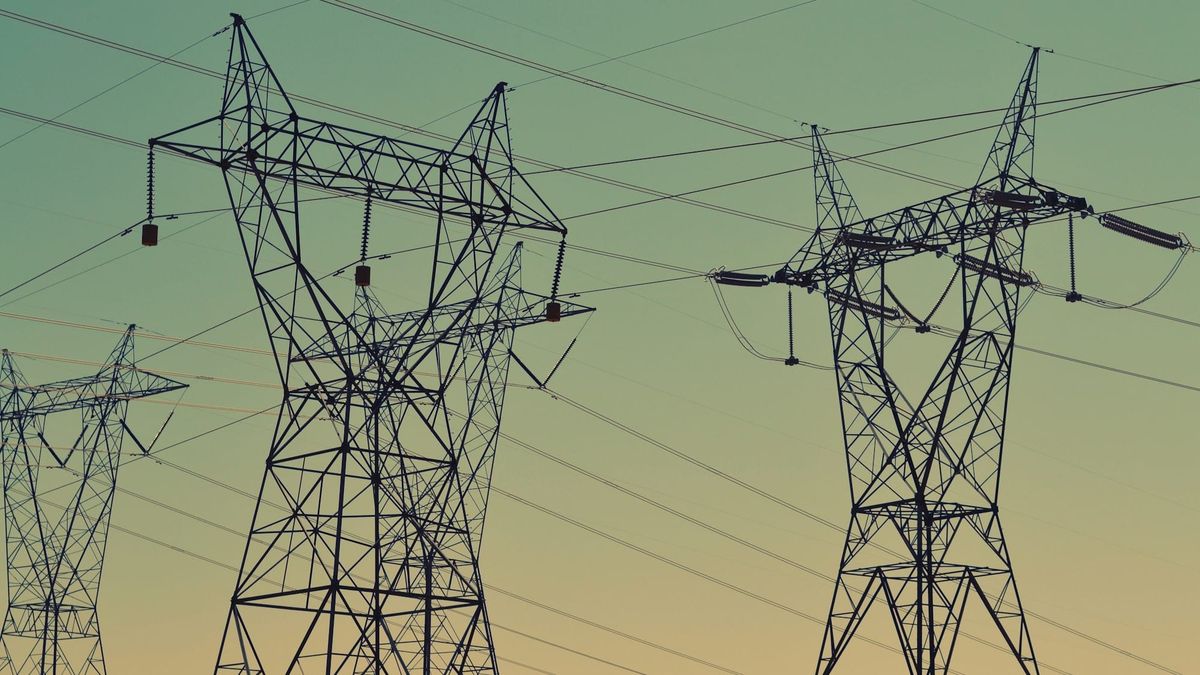
Researchers estimate data center demand increased wholesale electricity prices 8.6% in the Arizona-New Mexico region, with a larger effect projected by 2028. Bipartisan federal legislation would change who pays for grid expansion.
Damien Willis, Organ Mountain News
LAS CRUCES - Data center demand increased wholesale electricity prices in the region encompassing Arizona and New Mexico by an estimated 8.6% during 2024 and 2025, according to new economic research that projects an even larger effect by 2028 as energy-intensive computing facilities expand across the Southwest.
The findings, published in a Federal Reserve Bank of Dallas working paper revised Oct. 9, provide a regional perspective on the growing debate over who pays for electricity infrastructure needed to serve large data centers.
On Thursday, U.S. Sen. Martin Heinrich, D-N.M., released a fact sheet explaining provisions of bipartisan legislation that would require data centers to cover the costs of transmission upgrades they create rather than shifting those expenses to existing electricity customers.
The research and legislation address different parts of the same economic problem: Growing electricity demand can increase the cost of generating power, while connecting large customers may require expensive new infrastructure.
Southwest electricity markets face increasing pressure
The study, Processing Power: The Effect of Data Centers on Wholesale Electricity Markets, was written by economists Owen Kay, Robert Reaser and Reid Taylor.
Using an hourly model of electricity generation, demand and transmission across 23 U.S. regions, the researchers estimated how prices would differ if electricity demand from data centers were removed.
Their preferred scenario found that data centers increased wholesale electricity prices nationally by 6.9% in 2025.
For the Arizona-New Mexico region, the estimated effect averaged $2.93 per megawatt-hour, or 8.6%, during 2024 and 2025.
By 2028, the researchers project that data center demand could increase the region's wholesale electricity prices by $4.32 per megawatt-hour, or 14.7%, compared with a scenario without data center demand.
The projected national effect reaches 12.3% under the same assumptions.
These percentages represent modeled effects on wholesale electricity prices, not increases in household utility bills. The Arizona-New Mexico region also encompasses a broader electricity market, so the study does not establish a separate figure for New Mexico customers.
The research is a preliminary working paper, and its findings represent the authors' analysis rather than an official position of the Federal Reserve System.

Why costs can spread beyond data center communities
One of the study's central findings is that the effects of data center demand are not necessarily confined to places where facilities operate.
Electricity moves between interconnected regions, allowing utilities and grid operators to obtain power from generators elsewhere when transmission capacity is available.
But when large data centers consume more electricity in one region, that power may no longer be available for export to neighboring markets.
The researchers found that California experienced substantial wholesale price effects partly because data center growth in the Northwest and Arizona-New Mexico region reduced the availability of lower-cost electricity that otherwise could have been exported.
The study also examined whether adding large electricity customers might lower rates by spreading existing infrastructure costs across more electricity sales.
That can happen when additional demand uses infrastructure already in place without requiring major new construction.
However, the researchers found that increased electricity generation costs can offset those savings. They also cautioned that large data center developments are likely to require new transmission lines, substations and other infrastructure, making the potential for lower retail rates more uncertain.
The study does not determine how much of the estimated wholesale price effects ultimately reaches individual household bills. Retail rates depend on utility expenses, contracts and regulatory decisions.
Heinrich proposes changes to who pays
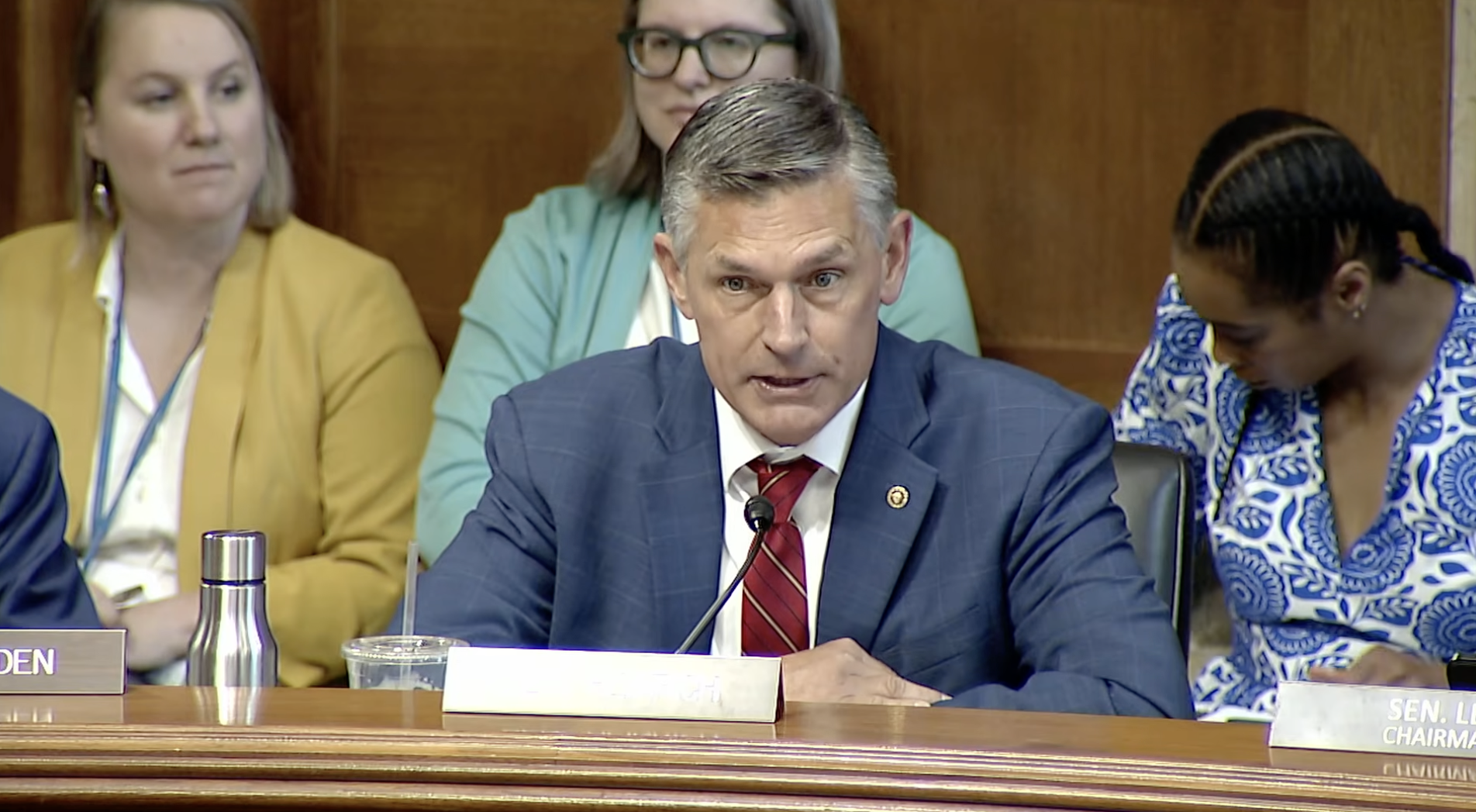
Heinrich's Bipartisan American Affordability and Jobs Act of 2026 would change how utilities recover the costs of serving major new electricity customers.
The legislation, introduced Sept. 30, is sponsored by Heinrich and three other senior Senate committee leaders: Republicans Mike Lee of Utah and Shelley Moore Capito of West Virginia and Democrat Sheldon Whitehouse of Rhode Island.
Under the proposal, the Federal Energy Regulatory Commission would be directed to establish rules requiring data centers to pay for both their share of existing transmission infrastructure and additional upgrades needed to accommodate their electricity demand.
A separate provision would require new data centers and high-density computing facilities with electricity demand of at least 20 megawatts to cover incremental costs associated with the generation, storage, transmission and distribution infrastructure needed to serve them.
The legislation also would give states additional authority to establish rate structures for data centers and use certain revenues to reduce electricity costs for other customers.
Utilities would be required to report electricity sales to data centers through the U.S. Energy Information Administration, providing more detailed information about a rapidly growing category of electricity consumption.
In his Thursday fact sheet, Heinrich characterized the proposal as a way to prevent families and small businesses from subsidizing infrastructure built for large computing facilities.
The legislation has not become law, and its provisions would require additional regulatory action before taking effect.

Ratepayer savings are not guaranteed
An independent Nov. 3 analysis by the Bipartisan Policy Center examined how the legislation would allocate costs associated with data center expansion.
The analysis identified two distinct protections: requiring data centers to pay additional transmission costs alongside existing system charges and requiring large new computing facilities to cover the full incremental infrastructure costs associated with serving them.
It also noted that implementation would depend on federal rulemaking, state regulatory action and utility rate proceedings.
Those processes could take years, meaning any savings would not necessarily appear immediately on customers' monthly electricity bills.
The Bipartisan Policy Center also identified challenges in determining which infrastructure expenses are directly attributable to individual data centers and establishing rate structures consistent with federal and state requirements.
What the findings mean for southern New Mexico
The research arrives as southern New Mexico confronts questions about the energy demands associated with Project Jupiter, the large data center development in Santa Teresa.
The project's proposed natural gas-powered energy facility is undergoing a separate state permitting process. On Thursday, Organ Mountain News reported that the developer had waived a previously contested air permit decision deadline and joined state regulators in seeking to postpone a December public hearing.
The Dallas Fed working paper does not estimate Project Jupiter's specific electricity costs or its potential effect on local utility rates.
The project also proposes substantial on-site electricity generation, making the distinction between electricity obtained from the grid and electricity produced independently important when considering the applicability of federal grid-cost requirements.
For New Mexico residents, the economic research establishes a broader concern: Data center expansion can affect electricity costs across interconnected markets, and those effects depend on where facilities operate, how much power they consume and whether additional generation and transmission capacity becomes available.
Heinrich's legislation addresses one part of that concern by proposing new rules governing which customers pay for grid infrastructure.
Whether those provisions ultimately become law — and how much they would save New Mexico electricity customers — remains unresolved.
Damien Willis is founder and editor of Organ Mountain News. If you have a personal story to share or a lead we should follow up on, reach out at OrganMountainNews@gmail.com or connect with him on X at @damienwillis.