Las Cruces proposes $1.1 million in Amador Live repairs, phased reopening
Las Cruces proposes $1.1 million in Amador Live repairs and a phased reopening as councilors question delays, unpaid fees and redevelopment plans.
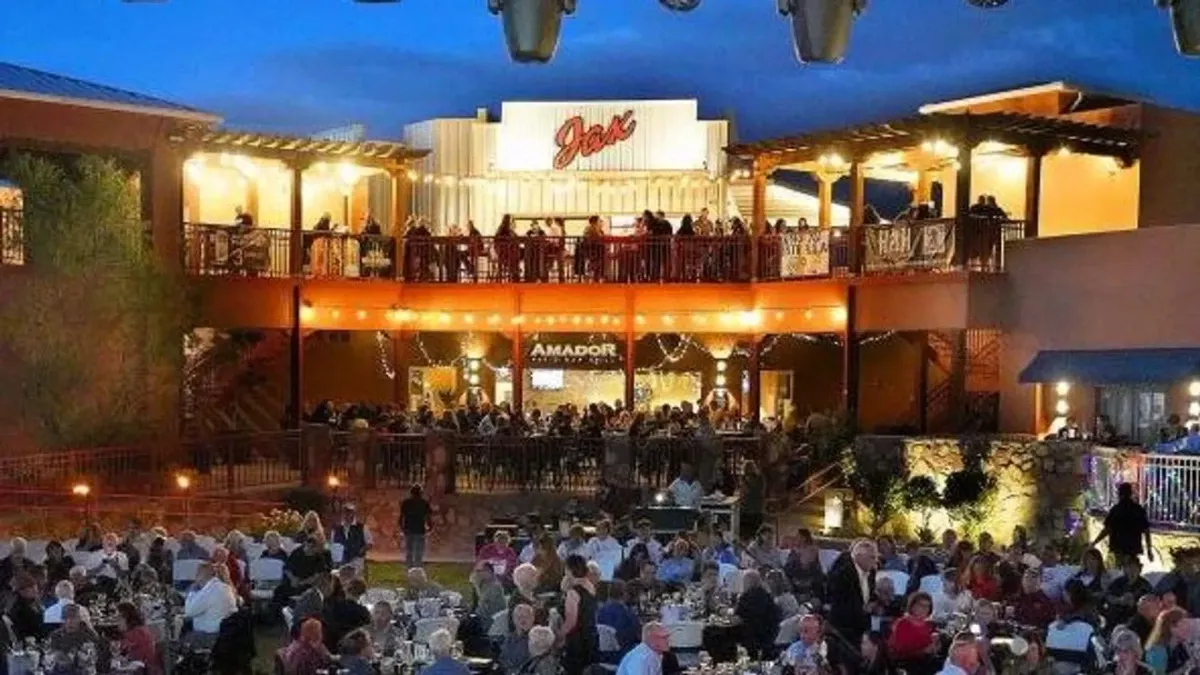
City officials want to revive the long-idle downtown property with public events and new tenants, but councilors questioned the lack of a detailed plan and unresolved financial obligations.
Damien Willis, Organ Mountain News
LAS CRUCES - The City of Las Cruces is proposing approximately $1.1 million in repairs to the long-idle Amador Live entertainment complex as part of a phased plan to reopen the downtown property for community events, private rentals and eventually individual businesses. The proposal would keep the property under municipal control while allowing the city to gradually restore the facility and recruit tenants for individual commercial spaces.
During an Oct. 26 work session, city officials outlined a strategy to begin hosting events while repairs proceed, rather than continuing to seek a single operator for the entire complex. The proposal comes nearly two years after Amador Live ceased regular operations and follows an unsuccessful effort to find a tenant or master developer for the city-owned property.
While council members generally supported keeping Amador Live under city control, several questioned whether the proposal offered enough detail after nearly 21 months of limited use. They also raised concerns about the property's unresolved financial obligations, the cost of additional repairs and the lack of a comprehensive redevelopment strategy.
"I think this is where bureaucracy takes a toll," Councilor Cassie McClure said, criticizing the absence of community partners from the planning process. "We could have been asking that question already. We could have been having those meetings."
The work session was intended to provide direction to city staff, not authorize spending. No formal approval of the proposed $1.1 million repair expenditure occurred.
 Organ Mountain News

A phased approach to reopening
Economic Development Director Elizabeth Teeters said the city's immediate goal is to activate the property while developing a longer-term vision for Amador Live as an entertainment and commercial destination. After more than a year of discussions with potential users, she said interest has largely centered on renting individual spaces or hosting events rather than purchasing or operating the entire complex.
"There's not a lot of interest in the entire property, or even to buy the entire property," Teeters told councilors.
Under the proposed approach, Visit Las Cruces would initially manage community programming and private event rentals, beginning with outdoor areas. Rochelle Miller-Hernandez of Visit Las Cruces outlined several possibilities for bringing activity back to the property, including holiday markets already planned for November and December, a Second Friday market and Food Truck Sundays featuring local vendors and entertainment.
Beginning next year, the city could expand programming to include movie nights, daytime cafes, weddings, conferences and other large private events. The goal, Miller-Hernandez said, is to attract visitors downtown while creating opportunities for small businesses and generating additional activity for neighboring restaurants and retailers.
"It will serve as an economic catalyst by driving individuals — and, in return, sales — to other downtown businesses, retail, restaurants, bars... As well as serve as a marketable tourism asset," she said.
As repairs are completed, the city would seek individual tenants for spaces such as the Broken Spoke Taphouse area and Club 575 Cruces Crafted Cocktails, potentially including restaurants, bars or other businesses that complement the larger complex. Teeters said the city has already received inquiries from businesses interested in individual spaces, including an out-of-town restaurant considering a downtown expansion. No tenants have been selected, and the city has not established a timeline for full occupancy.
Repairs estimated at $1.1 million
Public Works Director David Sedillo presented an estimated $1.1 million in repairs needed to address building-code deficiencies, deferred maintenance and unfinished portions of the complex. Exterior work would include repairs or replacement of roofing, stucco, windows and doors, along with improvements to walls and other features around the property. Some existing exterior doors appear to have been installed to residential rather than commercial standards and would need to be corrected, he said.
The second-floor patio also requires more extensive work involving its deck, railings and finishes. Inside, repairs would address ceilings, walls, floors, plumbing and electrical systems, including broken or leaking fixtures and electrical outlets that need inspection or replacement. Unfinished areas, including a dumbwaiter space connecting the downstairs kitchen with the upper floor, would also need attention.
Sedillo emphasized that the estimate covers repairs and improvements needed to bring the existing facility into usable condition rather than a major redesign of its interior. The city proposes funding the work through the Tax Increment Development District, or TIDD, because the property falls within the district's boundaries. Such districts use certain tax revenues generated within a designated area to finance eligible public improvements and redevelopment projects.
Council members generally expressed support for exploring that funding source, although the expenditure would still require appropriate approvals. Staff proposed completing repairs in phases so portions of the property could be used while work continued elsewhere in the complex.

Councilors question delays and lack of planning
Despite broad interest in reopening the facility, several council members expressed frustration that the city had not developed a more detailed strategy after almost two years. McClure questioned why organizations such as Main Street Las Cruces, New Mexico State University's Arrowhead Center and neighborhood groups had not been brought into the planning process earlier.
She suggested that the complex could provide space for community organizations, including the Friends of the Library, which is searching for a location for its bookstore. McClure also emphasized the importance of preserving spaces downtown where residents can gather without necessarily having to purchase something.
"Can you be in that environment without needing to be a customer?" she asked.
Teeters acknowledged that more extensive discussions with potential partners would follow council's direction on whether to retain the property. Later in the meeting, McClure again questioned the absence of a clearly defined redevelopment concept, suggesting another work session that would bring community partners directly into the discussion.
"What I think this is missing is — what I wrote down here was, 'Renovations with what vision?'" McClure said.
Mayor Pro Tem John Muñoz also questioned the pace of progress, pointing to the approximately 21 months the property has been largely unused. He said the city needs to move more quickly toward a workable plan, particularly given the public money already invested in the complex and the additional repairs now being proposed.
"A lot of money has gone into it. More money will go ... to repair it and get it up to speed," Muñoz said. "We just need to see some traction."
Teeters explained that the city previously issued a request for proposals seeking an operator for the entire property but received only two responses, neither of which met its needs. Staff subsequently explored alternatives, including partnerships and renting individual spaces. Those conversations helped shape the phased approach presented Monday, but councilors said they wanted more concrete information about prospective tenants and community partnerships.
Unpaid utility fees raise financial concerns
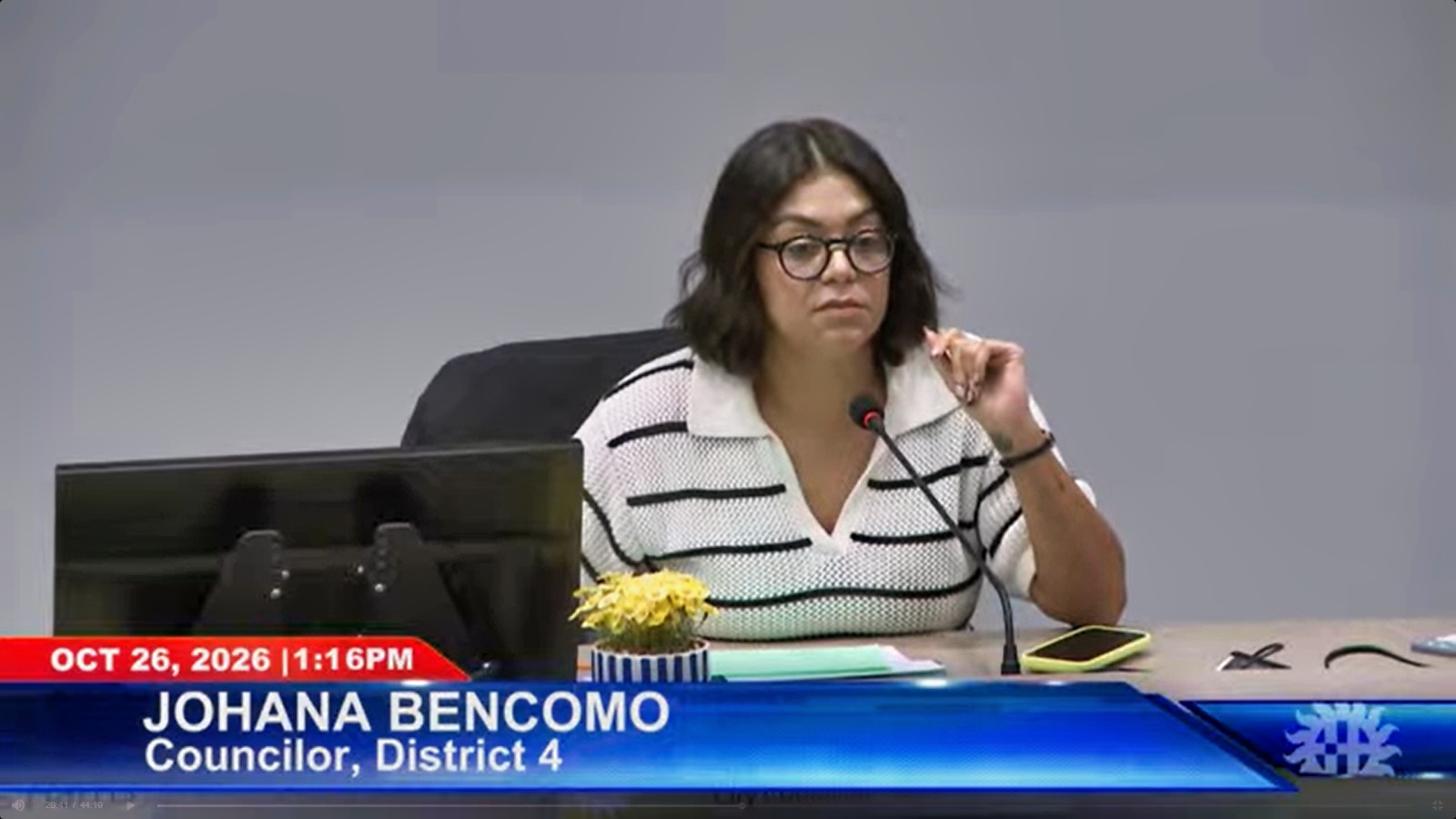
The discussion also returned to unresolved financial obligations associated with Amador Live's previous operations. Councilor Johana Bencomo asked about utility impact fees that had been waived when the property was developed and apparently never repaid, estimating the outstanding amount at approximately $17,000. The precise balance was not confirmed during the meeting.
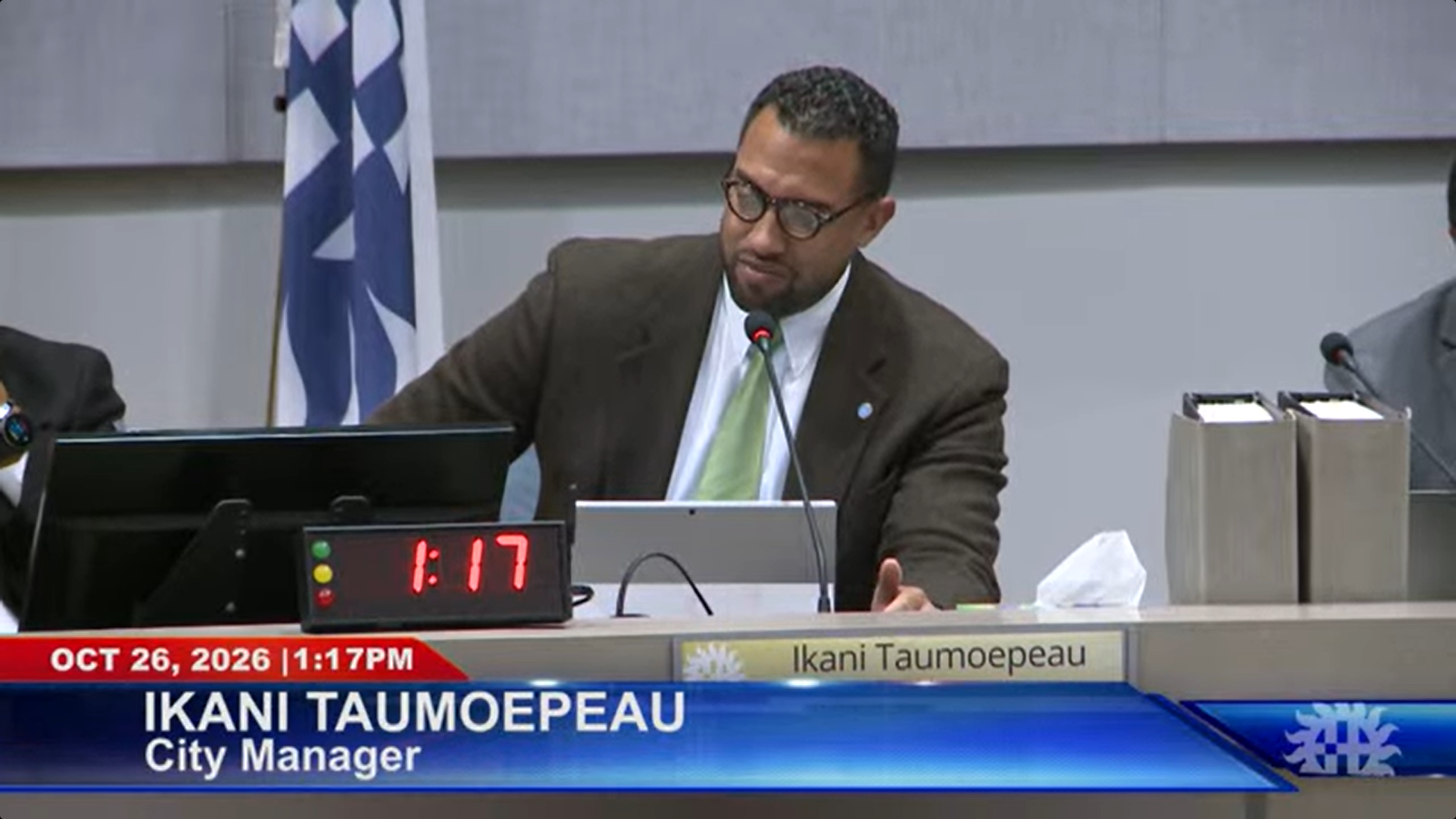
City Manager Ikani Taumoepeau explained that the private business originally responsible for the fees is no longer operating. He said the city is pursuing repayment through available avenues of recourse, although he did not specify a timetable for recovering the money.
Bencomo described the issue as part of a broader history of financial and management problems at the complex, arguing that the city should not lose sight of those obligations as it considers new investments.
"I think this is a little bit of the elephant in the room — the mismanagement of this facility for years and the money that is owed to the city for years," she said.
Bencomo suggested exploring whether TIDD revenues could be used to reimburse Las Cruces Utilities while the city continues pursuing recovery from those previously responsible. Taumoepeau said such a payment would be an eligible use of TIDD funding if directed by the council.
No decision was made on the reimbursement during the work session. Bencomo emphasized that the city should continue seeking repayment even if another funding source is used to resolve the utility obligation, saying taxpayers ultimately bear the consequences when public-private arrangements fail to meet their financial responsibilities.
One kitchen complicates commercial plans
The building's existing layout presents another challenge for attracting multiple food-service tenants. Amador Live has only one commercial kitchen, limiting the ability of separate restaurants to operate independently within the complex.
Councilor Michael Harris questioned whether the city should consider more extensive renovations to accommodate multiple kitchens, potentially creating a food hall or similar arrangement. Sedillo said converting the facility into independently operated restaurant spaces would require significant interior modifications beyond the proposed $1.1 million repair budget.
Teeters said the immediate priority is to bring the existing building up to code and address maintenance needs. Additional improvements could be considered later in consultation with prospective tenants, depending on their operating requirements and the spaces they intend to occupy.
Bencomo also asked whether portions of the property might eventually be sold separately rather than leased. Teeters said the city had not explored that possibility extensively but could consider it as the redevelopment strategy evolves. She noted that the property's single kitchen would remain an important consideration in determining how individual spaces could operate.
Another unresolved issue is alcohol service. Miller-Hernandez said Visit Las Cruces is exploring a governmental liquor license, similar to those used at the Rio Grande Theatre and Las Cruces Convention Center. Obtaining such a license could take several months, and the multiple addresses associated with Amador Live's various bar areas may complicate the process.
Special permits through local vendors could provide an interim option for certain events. However, the precise licensing arrangement would need to be worked out with state officials before the city could establish a permanent approach to alcohol service throughout the complex.

City seeks community partnerships
Mayor Eric Enriquez said the work session established a general direction for city staff to proceed with plans that keep Amador Live under municipal control. He acknowledged that additional details are needed but emphasized the property's potential to host community events, support downtown businesses and generate revenue.
"I think this work session was the first step, and I sense that we all agree [it is] good to keep it internal," Enriquez said.
The mayor pointed to previous events hosted at the property, including activities associated with the New Mexico Municipal League and youth boxing, as examples of possible uses. Harris also suggested that the city could organize more of its own events rather than waiting for outside operators or partners, potentially allowing the facility to become active sooner.
Community advocate Heather Pollard, president of the Amador Hotel Foundation, spoke during the meeting about opportunities to coordinate activities between the historic hotel property, the library and other downtown organizations. Pollard acknowledged the difficulties surrounding Amador Live's history but expressed optimism about its potential to support a broader revitalization effort.
"I think there's exciting possibilities for partnerships downtown," Pollard said.
Enriquez indicated that staff could return for another work session with more concrete plans, potential partnerships and cost information before major renovations proceed. For now, the city's proposed approach centers on bringing activity back to the property incrementally while addressing repairs and developing a longer-term operating strategy.
The challenge facing city officials is whether that approach can transform a largely idle municipal asset into a sustainable downtown destination while addressing the financial obligations and management concerns that have followed the property through its previous operations.
Damien Willis is founder and editor of Organ Mountain News. If you have a personal story to share or a lead we should follow up on, reach out at OrganMountainNews@gmail.com or connect with him on X at @damienwillis.