USDA lifts New Mexico screwworm restrictions after no new cases since June
USDA has lifted New Mexico’s only New World screwworm infested zone after no additional cases were found following a June 7 infection in a dog.
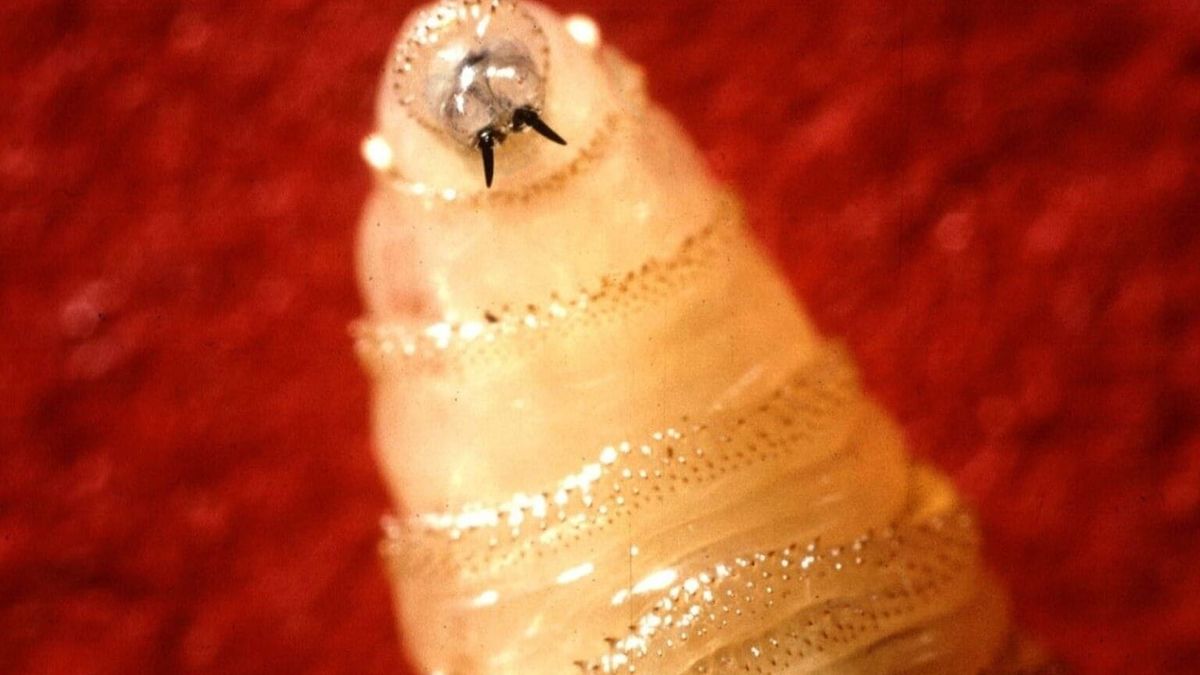
Livestock and pets can again move normally after federal officials ended the state’s only New World screwworm infested-zone designation
Organ Mountain News report
LAS CRUCES - Federal agriculture officials have lifted New Mexico’s only New World screwworm infested-zone designation after nearly three months passed without another confirmed case.
The U.S. Department of Agriculture’s Animal and Plant Health Inspection Service announced Sunday that New Mexico had met the requirements for ending the designation, which was put in place after the state confirmed its first and only New World screwworm case June 7.
That case involved a dog that had been recently treated by a Texas veterinarian.
No additional infections have been detected since then, according to the agency.
Lifting the designation means livestock and pets from the affected area can again move within New Mexico and across state lines without the additional New World screwworm inspections and movement requirements imposed during the response.
It also allows federal officials to begin working with international trading partners to remove New Mexico-specific restrictions on animal exports.
What New World screwworm is
New World screwworm is a parasitic fly whose larvae feed on the living tissue of warm-blooded animals.
Female flies lay eggs in wounds or other openings in the skin. After the eggs hatch, the larvae burrow into living tissue, creating potentially serious and sometimes fatal infections if animals are not treated.
The parasite can affect livestock, pets, wildlife and, in rare cases, people.
Its return to the United States has drawn particular concern from ranchers and animal-health officials because screwworm can spread quickly and cause significant losses to livestock operations.
Response began after June case
After New Mexico confirmed the infection in June, state and federal officials established an infested zone and imposed additional requirements on the movement and inspection of domestic animals.
Officials also increased surveillance of wildlife and flies and carried out targeted releases of sterile screwworm flies.
Sterile-fly releases are designed to suppress the population by flooding an area with male flies that cannot reproduce. When they mate with wild females, no offspring are produced.
USDA said state and federal specialists determined New Mexico had met all requirements for ending the infested-zone designation under the agency’s New World Screwworm Response Playbook.
State Veterinarian Dr. Samantha Holeck and the New Mexico Livestock Board recommended that the zone be released.
Surveillance will continue
The end of the designation does not mean officials are ending surveillance.
USDA said fly trapping and wildlife monitoring will continue in New Mexico to watch for any new introduction of the parasite.
Federal officials said the response showed the importance of finding infections early and quickly establishing controls around them.
For livestock producers and pet owners, however, the immediate effect is simpler: the special screwworm-related movement restrictions imposed after the June case are no longer in effect.
Keep Reading
County attorney: Scott Andrews’ exit was negotiated separation, not simple resignation — Doña Ana County’s attorney says Andrews reached a negotiated separation with commissioners and that his six-month salary payment was contractually required.
Las Cruces launches weekly municipal Q&A series — Twelve free sessions will connect residents directly with city departments on topics ranging from zoning and street repairs to transit, utilities and traffic safety.
NMSU may cut tuition for El Paso-area students as UTEP turns up pressure — University officials are considering eliminating a 10% tuition premium for eligible Texas students within 135 miles as competition for students intensifies.