Opinion: I wanted to serve. I couldn’t afford to go without a paycheck
In this guest opinion, Las Cruces social worker Zac Egan explains why they believe Amendment 4 could make serving in the New Mexico Legislature more accessible.
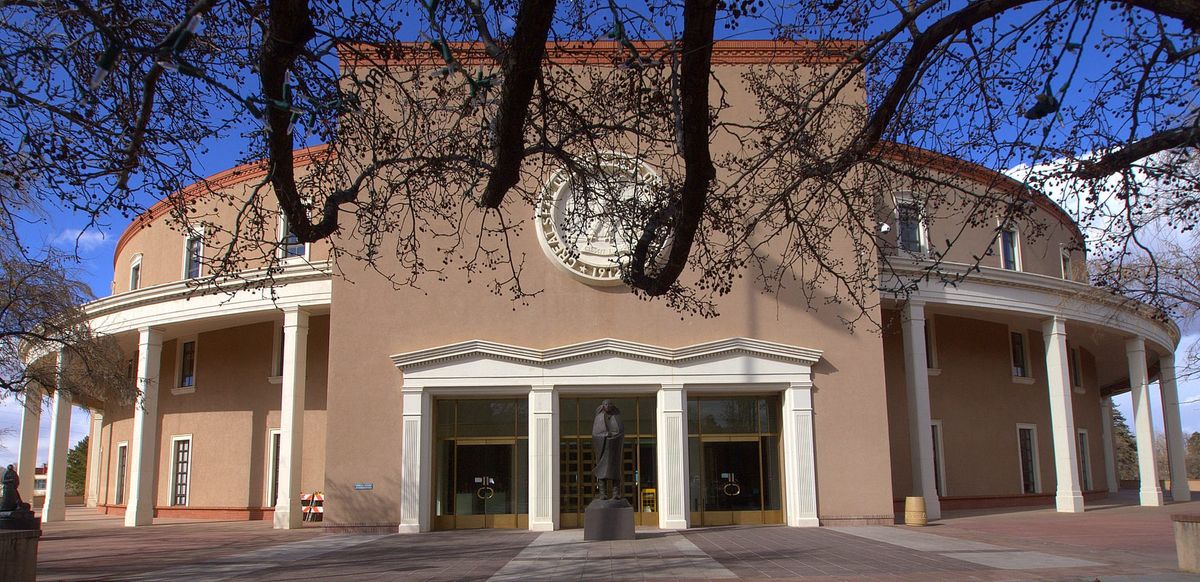
Las Cruces resident Zac Egan explains how the financial demands of legislative service kept them from running for office and why they support Constitutional Amendment 4.
Zac Egan, Guest columnist
Opinion
Editor’s note: The opinions and assertions expressed in this commentary are those of the author and do not necessarily reflect the views of Organ Mountain News.
A few years ago, I wanted to run for office. I was thinking about it very seriously until I did the math. Serving in the New Mexico Legislature would mean missing one to two months of paid work every year for as long as I remained in office, as well as the sacrifice of days of work and pay during the interim and for addressing constituent needs. I couldn't afford to lose that income. So I didn't run. I suspect I'm one of many New Mexicans who have quietly made the same calculation and reached the same answer.
That is the real subject of Amendment 4, on the ballot this November, and it's why I'm urging New Mexicans to vote yes.
New Mexico is the only state in the country that does not pay its legislators a salary. Legislators only receive per diem and mileage for the days they're in session and interim committee meetings, which serve as reimbursement for the cost of traveling to the job. For people who depend on a paycheck, that can make serving financially out of reach.
Think about who that is. Not the teacher who can't take unpaid leave. Not the nurse pulling 12-hour shifts. Not the young worker with student debt and a second job.
It's worth being blunt about what that produces — a system that gives an advantage to people who are retired, independently wealthy or have jobs flexible enough to accommodate legislative service. That doesn't mean those people cannot represent their communities well. It means too many other New Mexicans never have a realistic opportunity to try.
The people making decisions about our schools, health care, housing and economy should have the opportunity to bring many different kinds of lived experience to the table. Working parents, teachers, nurses, small business owners and younger New Mexicans have valuable experience too. Our system should not make it harder for them to serve simply because they need a paycheck.
This is what makes Amendment 4 more than a pay measure. It addresses a financial barrier that keeps people like me from considering public service while putting clear parameters around legislative compensation.
Compensation would be tied directly to New Mexico's median household income — about $67,800 based on the figure used in the Legislative Finance Committee's analysis. If household income rises, legislative compensation can rise. If it falls, compensation must fall.
Instead of allowing legislators to set their own salaries, Amendment 4 uses what New Mexico households actually earn as the benchmark.
Some opponents argue that legislators already receive per diem, mileage and can qualify for retirement benefits. That's true. But those benefits don't replace the income someone gives up to serve. Per diem and mileage help cover costs associated with legislative work. They don't replace the paycheck I would have lost when I considered running.
For me, the question comes back to that calculation: Should having enough money to go without a salary determine whether someone can realistically consider serving?
I didn't run because I couldn't afford to. Amendment 4 would give more New Mexicans a realistic opportunity to serve. That's why I'm voting yes this November.
Zac Egan is a lifelong New Mexico resident who was born and raised in Las Cruces. They are a licensed clinical social worker and recently joined the team at FYI+. They are also an active community and grassroots organizer for social and ecological justice issues.
Community Voices
Want to share your perspective? Organ Mountain News welcomes community voices on the issues that matter in Las Cruces and Doña Ana County. Send commentary submissions to OrganMountainNews@gmail.com.