Tree deaths tripled across New Mexico in 2025 amid drought, heat
Tree deaths tripled across New Mexico in 2025, with beetle-killed conifer acreage up 211%, according to a new state and federal forest health report.
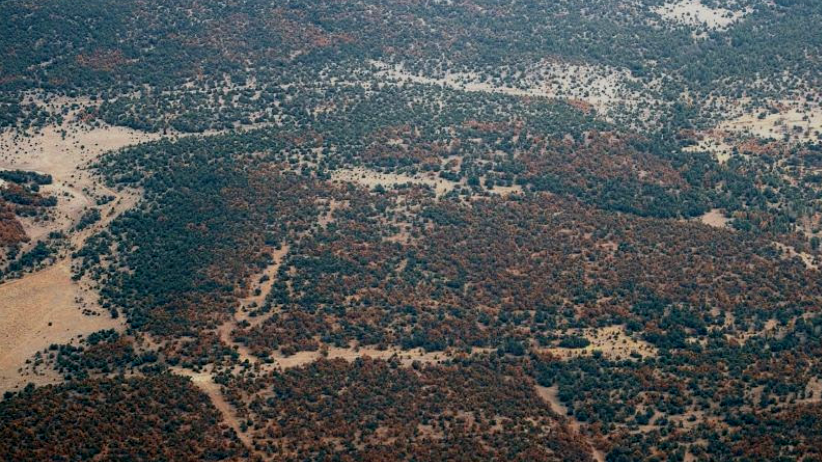
An annual forest health survey found beetle-killed conifer acreage rose 211% as drought and warm winter temperatures continued to stress forests.
Organ Mountain News report
SANTA FE - Tree deaths tripled across New Mexico in 2025 during the state’s second-warmest year on record, according to a new forest health report from the New Mexico Forestry Division and U.S. Forest Service.
The annual aerial survey maps insect and disease activity across 14 million acres of state, private, Tribal and federal forests and woodlands.
The report found that beetle-killed conifer forest increased 211% in 2025, mostly on national forest lands. Forests affected by drought and heat increased 66%.
Defoliation, which is separate from tree mortality, decreased 51%, while total acreage with damage decreased 6%.
“It's important to contextualize that this report is a snapshot of New Mexico’s forests at a specific time,” State Forester Laura McCarthy said. “However, this snapshot is a good predictor of what to expect for the next few years if such meager precipitation and warm winter temperatures persist.”
State forestry officials said New Mexico’s forests are persistently stressed by prolonged drought, rising temperatures and competition for resources because of dense forest conditions.
“Bark beetles are a natural check on forest density, but warm winter temperatures are extending their activity, and overly dense, drought-stressed forests are a buffet for these insects,” said Victor Lucero, forest health program manager. “Ultimately, beetle-killed trees will be replaced by younger trees that better resist pests, and canopy openings will foster a richer understory. But understandably, the visual impact on the ground can be shocking.”
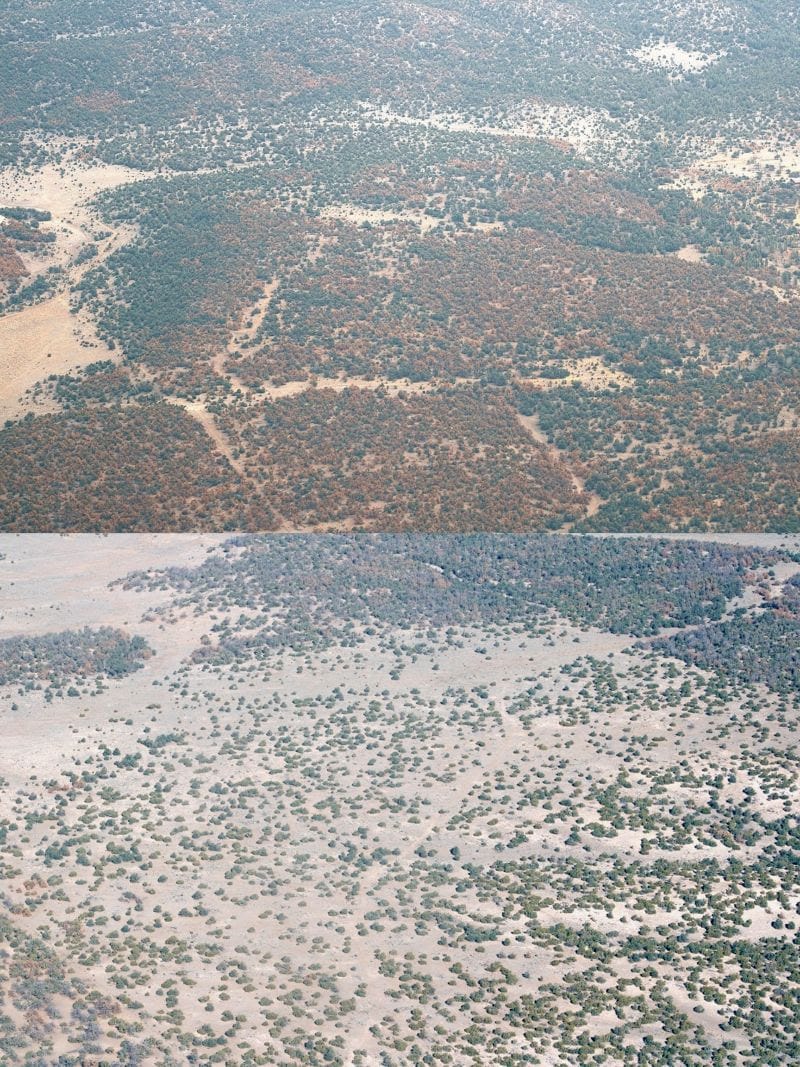
Officials said some surviving trees remain even within large areas of mortality and can help new generations resprout. They said similar recovery is visible in areas affected by early 2000s mortality events that killed 80% of piñon pines in some areas.
Tree mortality can temporarily increase wildfire risk, but officials said that risk drops considerably once dead needles fall. Keeping some dead trees in place can help stabilize soil and cycle nutrients.
State forestry officials said landowners should thin overly dense stands whether or not a mortality event has occurred.
“Our forests have exceeded the land’s carrying capacity,” Lucero said. “No matter what, disturbance events will try to rebalance our ecosystems, whether it’s through human intervention, like proactive thinning, or biological events such as pest outbreaks or wildfire. We can manage disturbances to prevent catastrophic events like these in the future.”
Earlier this year, the state and universities broke ground on the New Mexico Reforestation Center, which is expected to increase production of climate-adapted seedlings for forest restoration.
Keep Reading
Judge rejects lawsuit challenging New Mexico Gov. Lujan Grisham’s universal childcare program — A judge rejected a Republican-backed challenge to New Mexico’s universal childcare program, though plaintiffs say they plan to appeal.
Heinrich, Luján bill would help ranchers use federal funds for virtual fencing — The FENCE Act would let producers use USDA disaster recovery funding for GPS-enabled livestock fencing if it costs no more than repairing physical fences.
Doña Ana County covers more YesCare back pay after missed payroll — Commissioners approved direct payments to detention center healthcare workers as the county transitions to Thrive Medical Services.