
Yazzie/Martinez plaintiffs ask to rewrite education reform plan themselves
Plaintiffs in New Mexico’s landmark education lawsuit are asking a judge to let them rewrite the state’s reform plan, arguing it fails to meet court-ordered requirements.
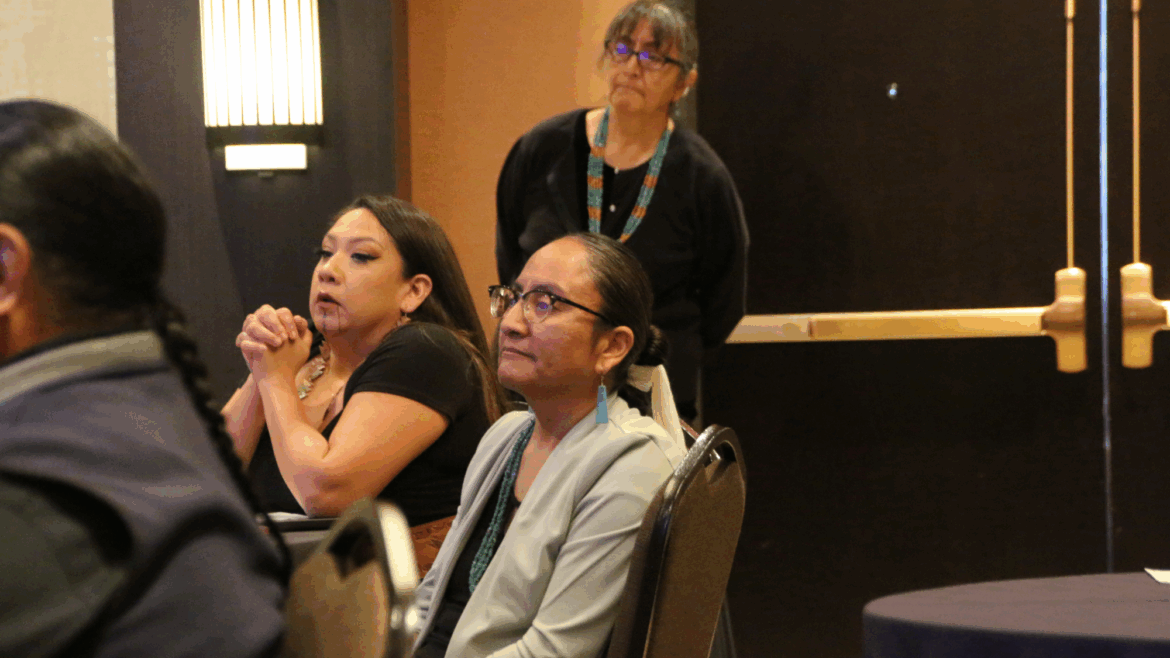
Plaintiffs in the long-running Yazzie/Martinez case say the state’s plan falls short and propose an eight-month process to rewrite it
Bella Davis, New Mexico In Depth
This article was originally published by New Mexico In Depth.
Fed up with the state’s repeated failures to fix an education system that a court found in 2018 was failing most of New Mexico’s students, plaintiffs in the landmark Yazzie/Martinez case are asking a judge to allow them to rewrite the Public Education Department’s reform plan.
In a joint motion last week, plaintiffs outlined their vision for a potentially eight-month process for the revision.
The request comes after they and several tribes earlier this year asked the court to reject PED’s plan, itself court-ordered.
“As it stands, we do not have an actual plan to transform education in New Mexico,” Alisa Diehl, an attorney who is part of the Yazzie legal team, said in an interview. “This is really what we believe would be the most robust process to end up with a plan that has the level of detail that it really must have in order to make a difference.”
PED “stands by” its plan, spokesperson Janelle García wrote in an email to New Mexico In Depth. “The plan was carefully crafted with stakeholder feedback in mind. We are now executing the plan with partners in the field to continue our work in addressing the concerns identified through the underlying lawsuit.”
García pointed to growth in literacy as a sign the agency is on the right track and wrote that “maintaining this course will allow us to build on this current momentum without wasting additional time because we simply do not have any time to waste.”
It’s been over a decade since parents and school districts sued New Mexico for failing to provide a sufficient education — a right guaranteed by the state constitution — to Native American students, low-income students, students with disabilities, and English language learners. A state judge agreed in 2018, but PED never finalized a plan to respond to the ruling.
Plaintiffs went back to court in 2024, arguing PED was continuing to violate students’ rights. Last spring, First Judicial District Court Judge Matthew Wilson ruled the agency had failed to comply with previous rulings and ordered it to develop a “comprehensive remedial action plan.”
After a series of public meetings and a statewide survey, PED delivered a 190-page plan in November.
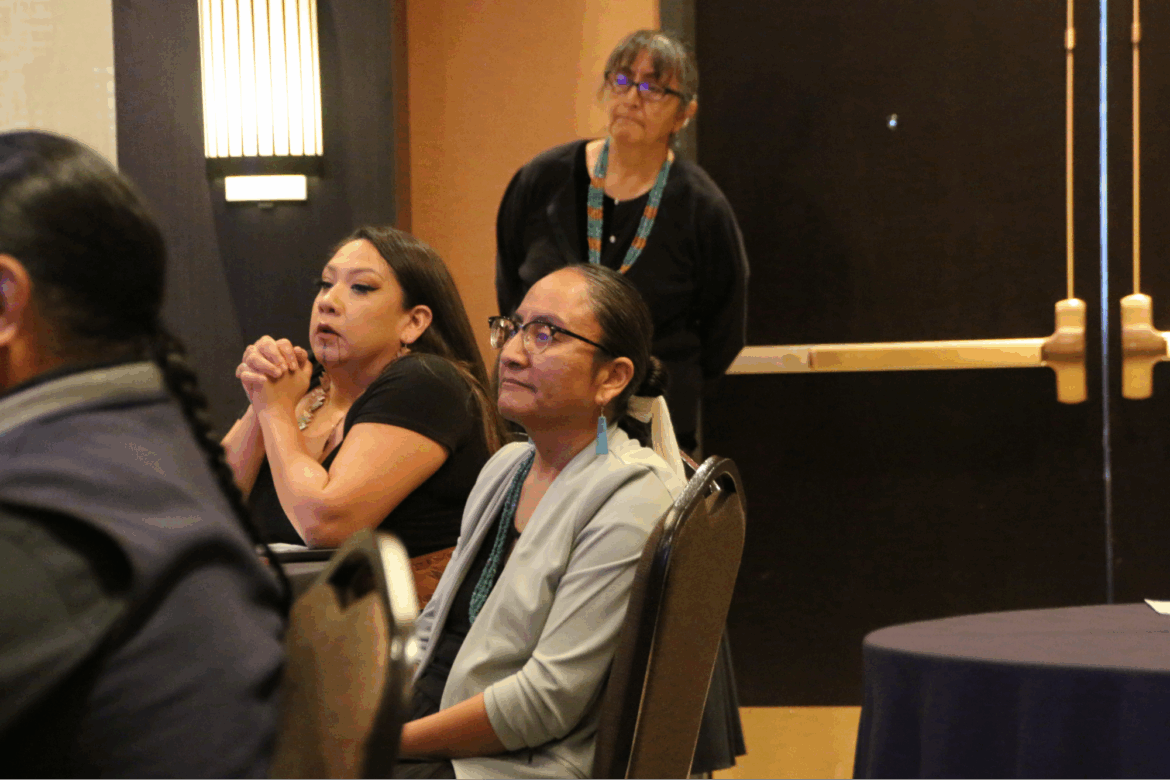
Plaintiffs say the document “provides no credible basis to conclude” New Mexico “will ever remedy the constitutional violations or extensive deficiencies” identified eight years ago. It doesn’t adequately tailor programs to each of the four student groups identified in the case as at risk, they argue, and doesn’t provide cost estimates for actions it does propose.
Defending its plan last month, PED argued the court didn’t direct it to include every detail of every program, which would make the plan “unworkably lengthy.” The department will evaluate programs as they’re introduced, it argued, and it needs to be able to make adjustments.
Plaintiffs maintain the plan “relies on generalities, postpones critical decisions, and omits enforceable commitments.”
They want to rewrite it in collaboration with experts, with PED providing up to $200,000 to pay those experts for their work. Plaintiffs also want the court to require PED to estimate what it would cost to carry out the revised plan and share the analysis with them for their comment before being submitted to the court. Diehl said cost estimates, which the state’s plan doesn’t include, are crucial for ensuring the plan can be implemented.
The rewritten plan would include “specific actions required to remedy each constitutional violation”; identification of which entities, like school districts and the Legislature, are responsible for each action; a five-to-seven-year implementation timeline; and evaluation metrics.
Plaintiffs would rely in part on feedback PED gathered from communities around the state last year. It’s possible more public meetings would be held while they were revising the plan, according to Diehl.
Within four months, the plan would be shared with tribes, the Legislative Education Study Committee, and others for feedback. Plaintiffs would incorporate that input within two months and submit the plan to PED for review. Within another two months, plaintiffs and the department would meet to make changes and present any disputed items to the court.
Plaintiffs anticipate they’ll have a chance to go before Wilson and argue for that process likely in the next two to three months, Diehl said.
Bella Davis is an Indigenous affairs reporter for New Mexico In Depth, focused on issues including education and the missing and murdered Indigenous women and relatives crisis.
Las Cruces bondsman charged in alleged sex trafficking, forced labor scheme — A Las Cruces bondsman accused of exploiting people he bonded out of jail now faces federal charges that could carry life in prison; court records show he previously worked in the Doña Ana County Clerk’s Office and had publicly stated an intent to run for clerk.
State seeks to hold Las Cruces teacher in custody as court fight delays detention hearing — Prosecutors are pushing to keep the defendant jailed as a legal dispute delays the pretrial detention hearing.
NM Ethics Commission lawsuit targets Project Jupiter ad group — State regulators have filed suit over campaign finance disclosures tied to the high-profile development effort.


